


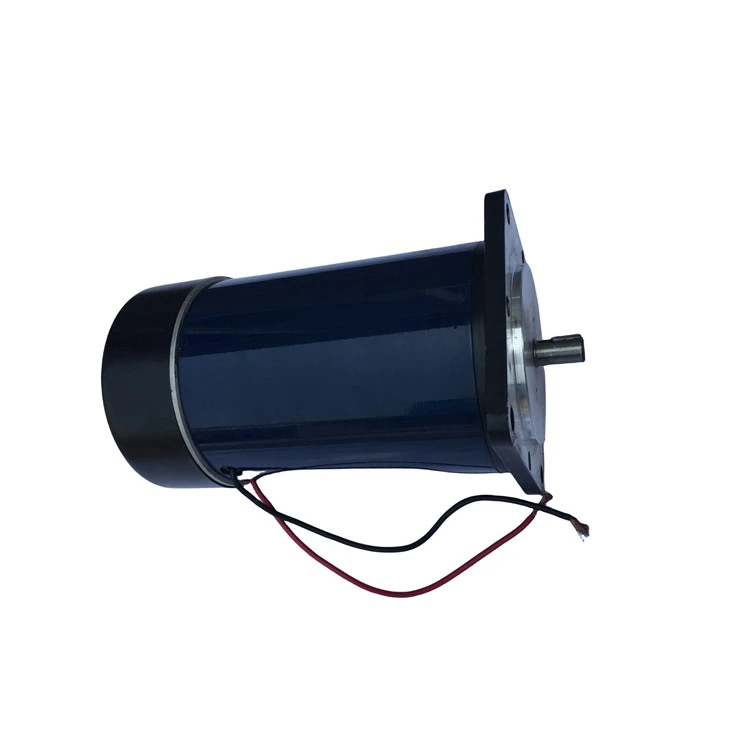

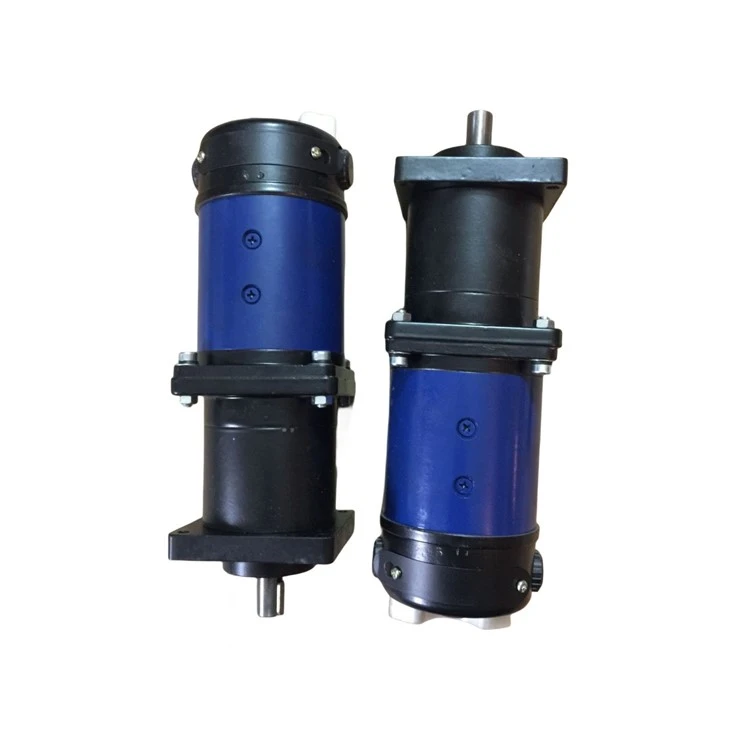
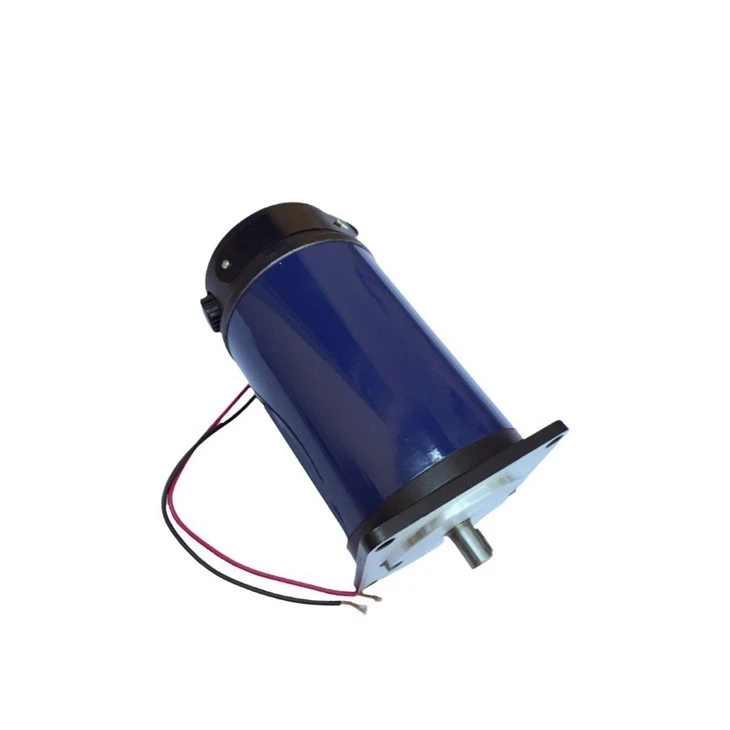
Industrial DC Motor
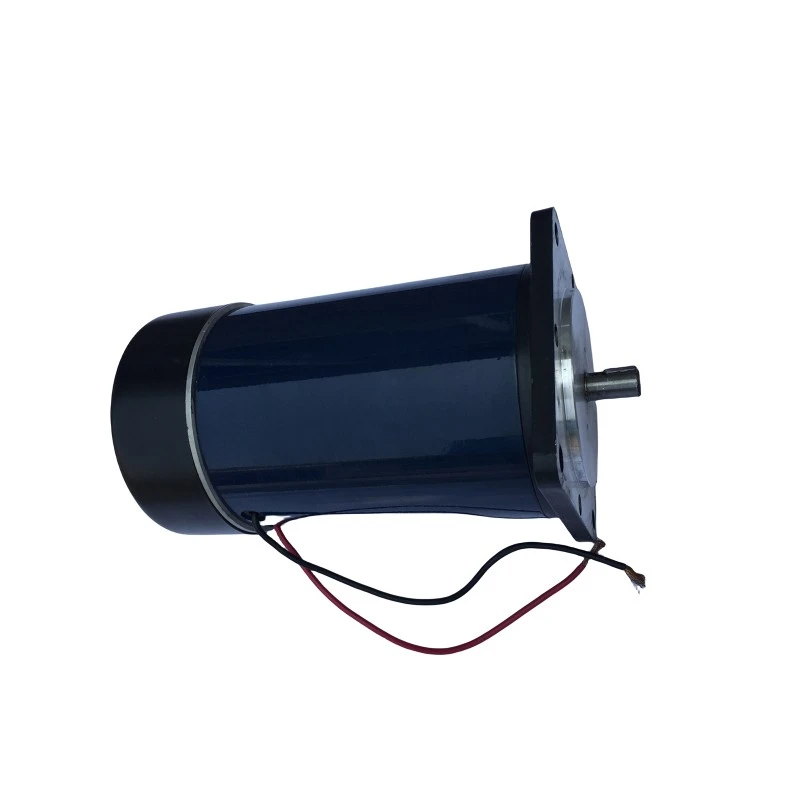
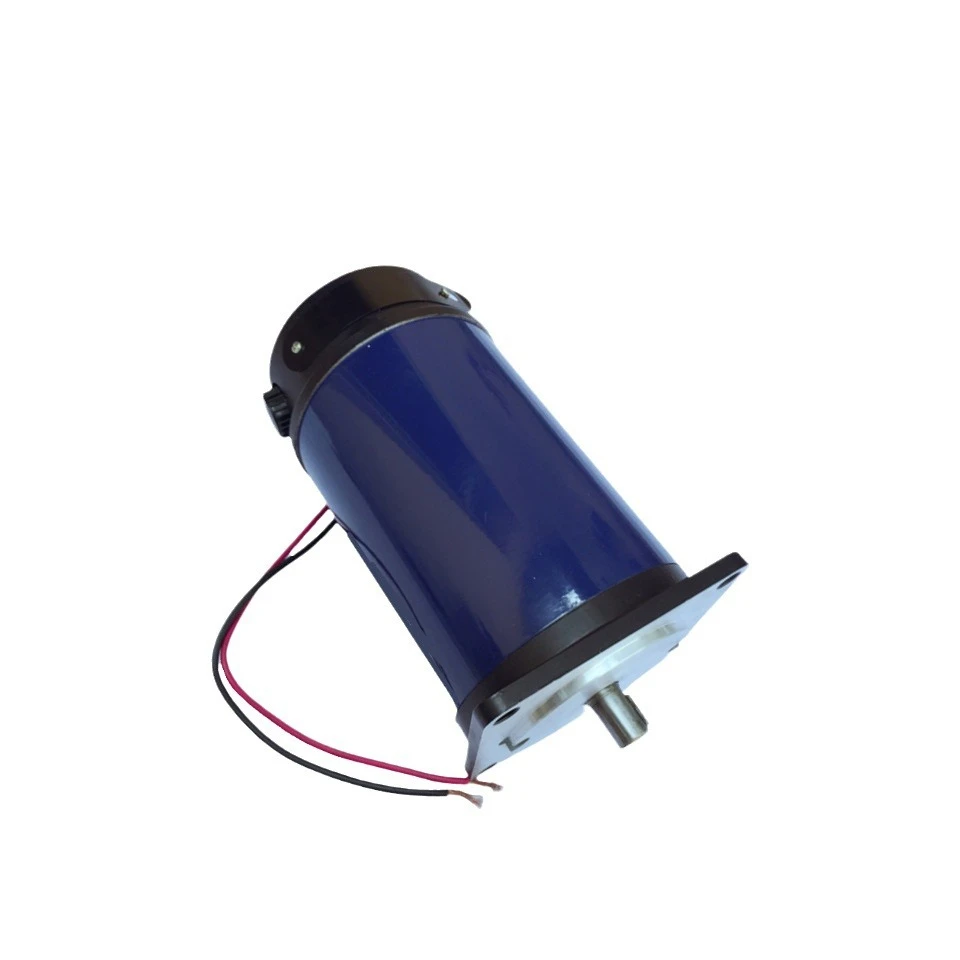
What is an Industrial DC Motor?
Relying on well-established armature and field excitation control schemes, industrial DC motors maintain stable torque output in demanding industrial applications-such as those involving low-speed/heavy-load operation, wide-range stepless speed regulation, frequent forward/reverse cycling, and rapid start-stop sequences. Consequently, they remain a vital drive solution, alongside AC servo and asynchronous motors. Many original equipment manufacturers (OEMs) continue to prioritize DC motors for tasks like tension control, coiling/uncoiling, heavy-duty material feeding, and test-bench drives, primarily due to their intuitive torque control logic, cost-effective speed-regulation systems, and reliable torque performance at low speeds.
This series of industrial DC motors includes brushed DC models that support two-stage speed regulation: constant-torque control (via voltage adjustment) and constant-power control (via field weakening). They are designed for use with DC speed controllers and rectified power supplies. Each unit undergoes rigorous factory testing-including dynamic balancing, dielectric withstand (insulation) testing, and no-load temperature-rise testing. Furthermore, these motors offer customizable options for IP protection ratings, insulation classes, mounting configurations, and shaft extensions, ensuring compliance with the power supply standards and equipment safety regulations of various countries and regions.



-
Stable low-speed torque and ample starting torque
Torque output remains stable at low speeds, allowing for starts under load. This makes these motors ideal for applications such as roller conveyors, coiling/winding systems, and extrusion feeding, where the equipment must begin operation while already under load. Their short-term overload capacity accommodates process-related shock loads and reduces the risk of damage caused by motor stalls.
-
Wide speed-control range with simple, manageable control
These motors offer constant-torque speed control below the base speed and field-weakening speed control above it, providing a broad operating range. Speed and torque signals are easily acquired, simplifying the commissioning process; engineers can quickly master the setup, and the motors are well-suited for implementing closed-loop tension control systems.
-
Mature design with a stable maintenance and supply chain
Components such as commutators, brushes, bearings, and field windings are standardized spare parts. In many industrial markets abroad, maintenance technicians are highly familiar with DC motor service procedures, and established supply channels for spare parts ensure faster after-sales support.


Q1: Are industrial DC motors and DC gear motors the same thing?
A1: No, they are not. This article focuses on the DC motor itself, without an integrated gearbox. If low rotational speed and high torque are required, it can be paired with a separate gear reducer.
Q2: What are the storage requirements for a DC motor that will be left idle for an extended period?
A2: The storage environment must be dry and well-ventilated to prevent moisture and condensation. Insulation resistance should be re-tested every 3 months, and the shaft extension must be protected against rust. Before putting the motor back into service after long-term storage, you must manually rotate the shaft (turn the rotor by hand) and inspect the condition of the brushes; do not start the motor directly under load.
Q3: What are the advantages of DC motors compared to AC variable-frequency motors?
A3: DC motors offer clear advantages in applications requiring constant torque at low speeds, closed-loop tension control, and cost-effective torque feedback. Their drawback is the need for brush maintenance; for long-term, high-speed, unattended operations, AC variable-frequency systems are a more hassle-free choice.
Hot Tags: industrial dc motor, China industrial dc motor manufacturers, suppliers, factory
Previous
Waterproof DC MotorYou Might Also Like




Send Inquiry