



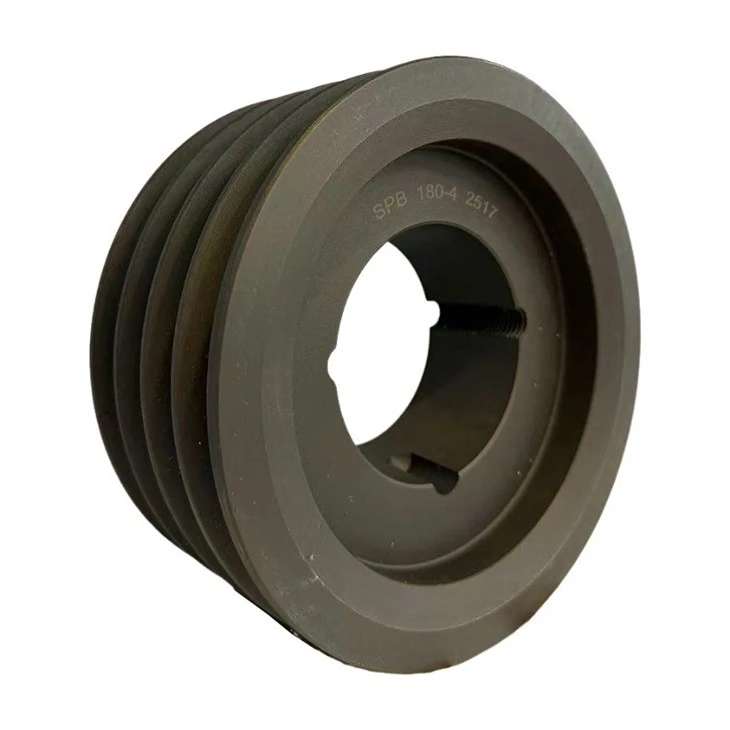
SPC Pulley
What is the SPC pulley?
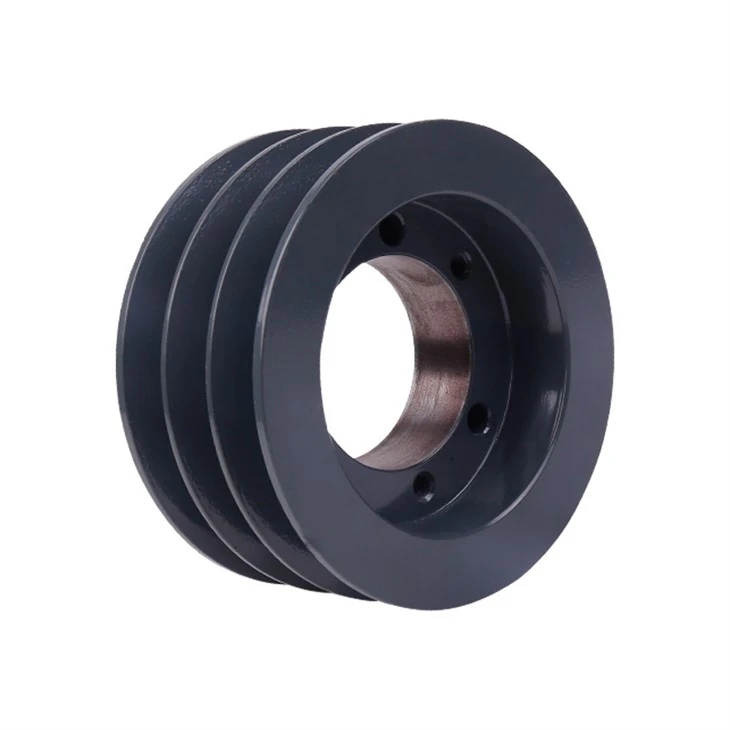
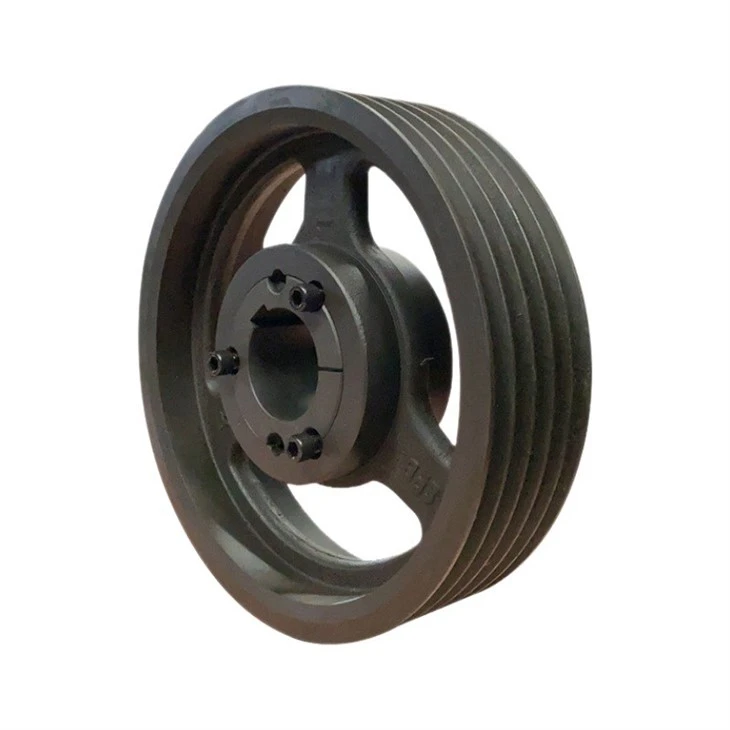
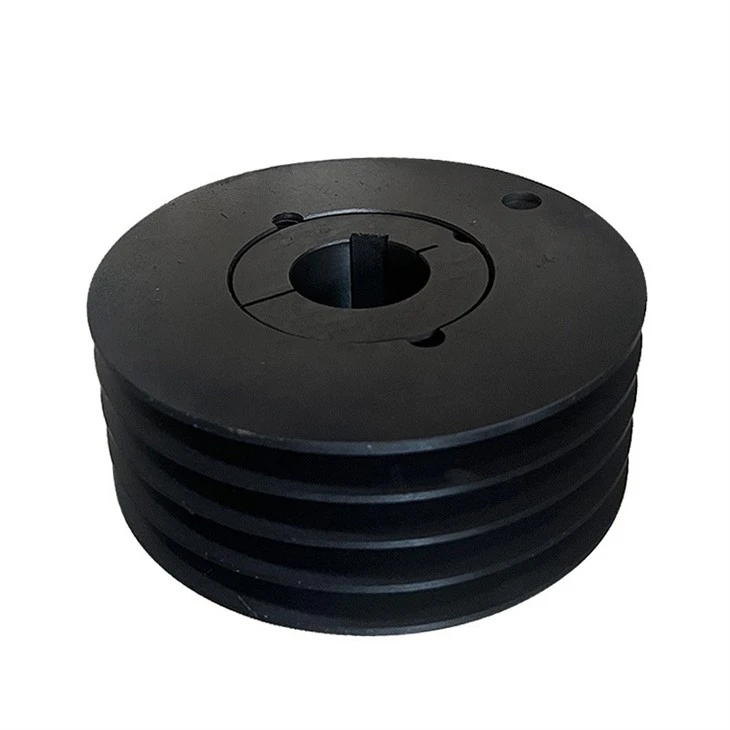
SPC pulleys are core components for heavy-duty applications within European standard narrow V-belt drive systems. Manufactured in strict accordance with ISO 4183, ISO 1661, and GB/T 13575.1 standards, they are specifically designed for use with SPC-series large-section narrow V-belts. Unlike the SPA and SPB pulleys used for low-to-medium power applications, SPC pulleys feature deeper grooves, superior structural rigidity, and higher torque-bearing capacity. They are engineered for low-speed, heavy-duty, continuous high-load, and shock-prone operating conditions, serving as standard components for high-power drives in sectors such as mining, chemicals, building materials, and large-scale ventilation and fluid handling equipment. They are widely utilized in power transmission for heavy industrial machinery and as integral parts of industrial production lines.
As large-specification, heavy-duty narrow V-belt pulleys, SPC pulleys utilize a design featuring deepened and widened grooves. Their robust cross-sectional profile and high structural strength enable them to withstand sustained high torque and instantaneous shock loads. Leveraging the principles of narrow V-belt friction drive technology, they achieve high-power transmission with minimal energy loss, effectively resolving common issues associated with standard pulleys-such as slippage, deformation, breakage, and rapid wear under heavy loads. They offer exceptional transmission stability under standard operating conditions and are ideally suited for the continuous, long-term operation of heavy industrial equipment, serving as an indispensable heavy-duty transmission component that smaller pulleys cannot replace.
Models


Standard Groove Geometry
- Belt Compatibility: Specifically designed for SPC heavy-duty narrow V-belts; not interchangeable with SPA or SPB belts.
- Groove Angle: Segmented design (34° for small diameters, 36° for large diameters) to ensure optimal fit with belt load-bearing standards.
- Groove Dimensions: Top width of 22 mm and depth of 17.5 mm; large-section contact structure maximizes load-bearing capacity.
- Diameter Range: Standard outer diameters from 80 mm to 1000 mm, covering the requirements of high-power, heavy-duty equipment; custom non-standard sizes available for extra-large diameters.
- Groove Configuration: Options include 2, 3, 4, and 5 grooves, as well as custom multi-groove designs; higher groove counts support greater power transmission capacity.
Material, Manufacturing, and Performance Specifications
- High-Strength Material: Constructed from HT300 high-strength gray cast iron; offers over 20% higher compressive strength and deformation resistance compared to standard HT250, effectively preventing wheel deformation or cracking under heavy-load conditions.
- Precision Manufacturing: Features integral casting, CNC finish turning, and precision-ground groove surfaces; smooth, burr-free grooves with a surface roughness of ≤1.6μm significantly reduce friction-related belt wear.
- Heavy-Duty Dynamic Balance: Factory-calibrated to G4.0 high-precision dynamic balance standards-surpassing the conventional G6.3 standard-ensuring vibration-free and stable operation during heavy-load, low-speed use.
- Hardening Treatment: Groove surfaces undergo high-frequency induction hardening (HB220–260), providing excellent resistance to crushing, wear, and impact.
- Mounting Configuration: Supports both Taper Bushing (TB) quick-mount and fixed keyway designs; compatible with standard motor shafts, gearbox shafts, and heavy-duty drive shafts.
- Protective Finish: Features an integral black-oxide anti-rust treatment combined with an anti-corrosion coating; resistant to dust, oil, and moisture, making it suitable for harsh industrial environments.
Features
1. High Torque Capacity for Heavy-Duty Applications
Featuring a deep-groove design with a large cross-section, the pulley maximizes contact area with the belt for superior friction and stable, high-torque power transmission. It is perfectly suited for heavy-duty equipment such as crushers, large industrial fans, high-pressure water pumps, and mixing machinery, effectively eliminating issues like slippage and power loss common with standard pulleys in heavy-duty operations.
2. High Rigidity and Deformation Resistance for Long-Term Precision
Constructed from high-density HT300 cast iron with a robust, integrated design, the pulley offers exceptional rigidity, resisting deformation and eccentricity even under continuous high loads or sudden impact shocks. It maintains stable coaxial alignment during long-term operation, preventing belt misalignment, abnormal wear, and equipment vibration, thereby ensuring continuous, reliable production line performance.
3. Rugged Durability and Low Loss for Reduced Maintenance Costs
Enhanced by a groove-surface hardening process, the pulley offers superior wear resistance and excels in harsh environments exposed to dust, grit, and oil. Under standard heavy-duty operating conditions, the unit boasts a service life of 5–8 years-far exceeding that of smaller or standard pulleys-significantly cutting costs associated with downtime, repairs, and part replacements.
Application


Company Profile




FAQ
Q1: What are the key differences between SPC, SPB, and SPA pulleys, and how can they be accurately distinguished?
A1: The primary differences lie in their power-handling capabilities and intended operating conditions: SPA pulleys are designed for low-to-medium power and light-duty applications, such as small fans and water pumps; SPB pulleys are general-purpose units for medium power, suitable for medium-sized mixers and standard crushers; SPC pulleys are specialized for high-power, heavy-duty applications-featuring the largest groove profile, greatest rigidity, and highest torque capacity-and are reserved for large-scale heavy industrial equipment. These three types are not interchangeable.
Q2: Are SPC pulleys suitable for low-speed, heavy-load applications or high-speed conditions?
A2: SPC pulleys are designed primarily for low-speed, high-torque, and heavy-load applications, with an optimal operating speed range of 500–3000 rpm; they deliver stable, high power output at low speeds and offer exceptional impact resistance. They are not recommended for ultra-high-speed, light-load scenarios; for high-speed conditions, SPZ or SPA series pulleys are preferable, as they offer better operational compatibility and lower energy consumption.
Q3: What causes belt slippage on SPC pulleys under heavy-load conditions?
A3: Slippage under heavy-load conditions is primarily caused by three factors: severe wear on the groove surfaces reducing friction; belt aging and stretching leading to insufficient tension; and uneven groove depths or unbalanced load distribution across the pulley. Solutions include regularly cleaning debris from the groove surfaces, replacing belts with compliant SPC heavy-duty models, and recalibrating tension and alignment; using high-precision OEM pulleys can fundamentally mitigate slippage issues.
|
|
|
|
|
|
|
|
|
|
|
|
|
|
|
|
|
|
|
|
|
|
|
|



Hot Tags: spc pulley, China spc pulley manufacturers, suppliers, factory
Previous
SPZ PulleyNext
SPA PulleyYou Might Also Like


Send Inquiry