


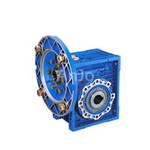
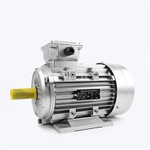
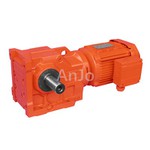

Dc Worm Gear Motor
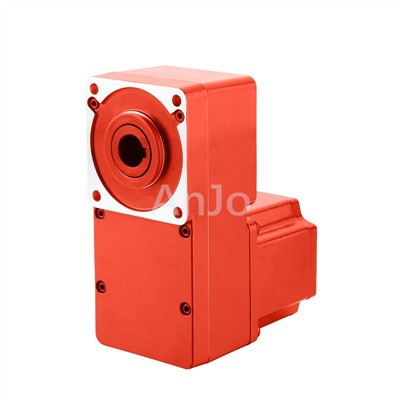
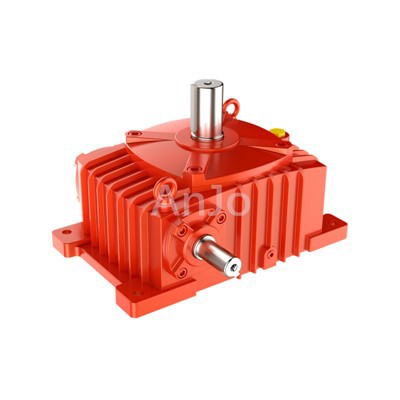
DC worm gear motor is a transmission device that integrates a DC motor with a worm gear reduction mechanism. Its core function is to provide stable and controllable low-speed, high-torque power output to equipment through the combined action of DC drive and speed reduction/torque amplification. It is widely used in automation, smart homes, industrial control, and other fields. The high-speed, low-torque power output of the DC motor is input to the worm gear, and through the meshing transmission of the worm and worm wheel, the motion and power are transmitted to the output shaft, ultimately producing low-speed, high-torque rotational motion. Compared with other geared motors, it has advantages such as compact structure, small size, low noise, and stable transmission efficiency, making it particularly suitable for applications with limited installation space and high torque requirements.
Models

Features
- Compact structure and small size. Integrating the DC motor and worm gear reducer into a single unit, the transmission mechanism has a compact layout, occupying minimal space and eliminating the need for complex installation and adaptation structures. This makes it particularly suitable for small devices with limited installation space, such as smart door locks and miniature robots.
- Smooth operation and low noise. The worm gear transmission provides continuous meshing, resulting in low impact loads. Combined with the smooth driving characteristics of the DC motor, the overall operation exhibits low vibration and low noise, meeting the requirements for quiet operation in applications such as medical instruments and smart home devices.
- High reliability and convenient maintenance. With fewer transmission components and minimal meshing wear, the system has a low failure rate and a long service life. The integrated design reduces the number of connection points, and routine maintenance only requires attention to lubrication and voltage stability, resulting in low maintenance costs and simple operation.
Products Description
|
Model |
DC Worm Gear Motor |
|
Structure |
Right angle |
|
Construction |
Permanent Magnet |
|
Power |
90W~800W |
|
Input speed |
1500rpm, 1800rpm, 2000rpm |
|
Ratio |
5~100 |
|
Commutation |
Brushed |
|
Protect Feature |
Drip-proof |
|
Motor voltage |
12V, 24V, 48V, 90V, 220V |
|
Accessories |
Brake, encoder |
Drawings


*more size please contact our sales team

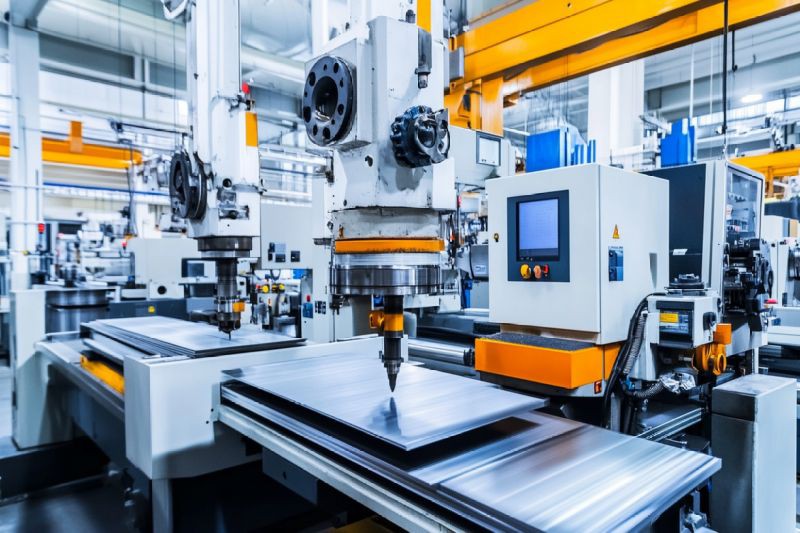
Application







Our advantages


Company Profile

Product Range:
Gear reducers, worm gear reducers, and electric motors, etc.
Core Advantages
Customized production, extensive export experience;
Service Scope:
Integrated product export, technical support, and after-sales guarantee.
FAQ
Q1: How to select a suitable DC worm gear motor based on requirements?
A1: Three key parameters need to be considered: ① Torque requirement: Calculate the required output torque based on the load weight and transmission resistance, and reserve a 10%-20% torque margin during selection; ② Speed requirement: Match the motor's reduction ratio (reduction ratio = motor speed / output speed) based on the equipment's operating speed; ③ Power supply conditions: Confirm the equipment's power supply voltage (e.g., 12V, 24V) and select a DC motor model with a matching voltage. In addition, factors such as installation space dimensions and ambient temperature (-20℃~60℃ is the conventional applicable range) should also be considered.
Q2: What are the differences in application scenarios for DC worm gear motors with different reduction ratios?
A2: The reduction ratio is positively correlated with output torque and negatively correlated with output speed: ① Small reduction ratio (5-20): Suitable for scenarios requiring medium-high speed and medium-low torque, such as small conveyor belts and light ventilation equipment; ② Medium reduction ratio (20-100): Suitable for conventional low-speed heavy-load scenarios, such as smart curtains and electric valves; ③ Large reduction ratio (above 100): Suitable for ultra-low speed and high torque requirements, such as medical lifting platforms and small lifting equipment.
Q3: Can the reverse self-locking function of a DC worm gear motor completely replace a braking device?
A3: In most scenarios, it can replace a braking device, but boundary conditions must be considered: the self-locking function of worm gear transmission is only applicable to static loads or low-speed light-load conditions; if the load is a high-speed impact load or a large inertia load (such as a heavy object falling at high speed), self-locking alone may not be sufficient to completely brake the equipment, and an additional electromagnetic braking device is needed to prevent equipment runaway.
Hot Tags: dc worm gear motor, China dc worm gear motor manufacturers, suppliers, factory, 12 volt dc 150 rpm worm gear motor, 12 volt dc worm gear motor, Dc Worm Gear Motor
Previous
No InformationNext
No InformationYou Might Also Like



Send Inquiry