



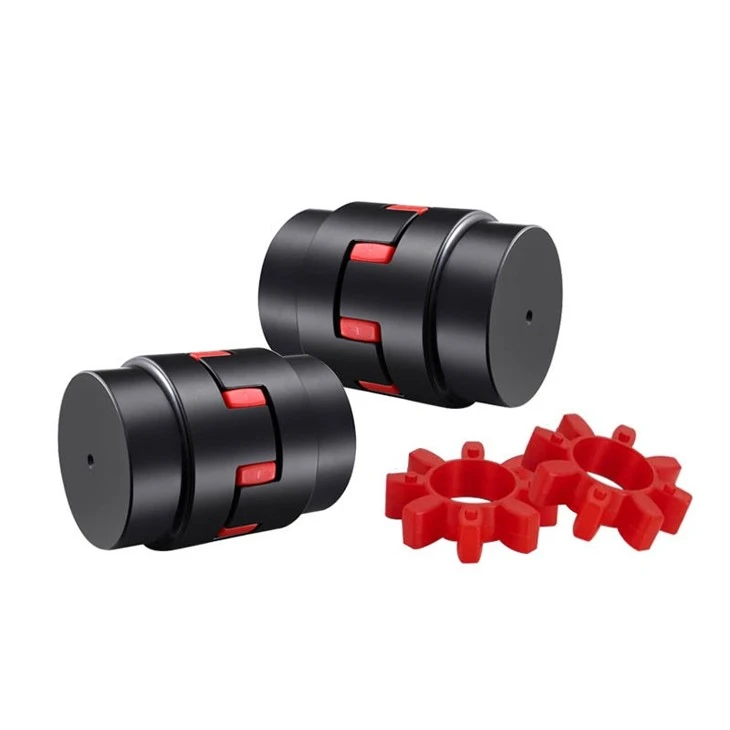
Spider Gear Coupling
What is the Spider Gear Coupling?
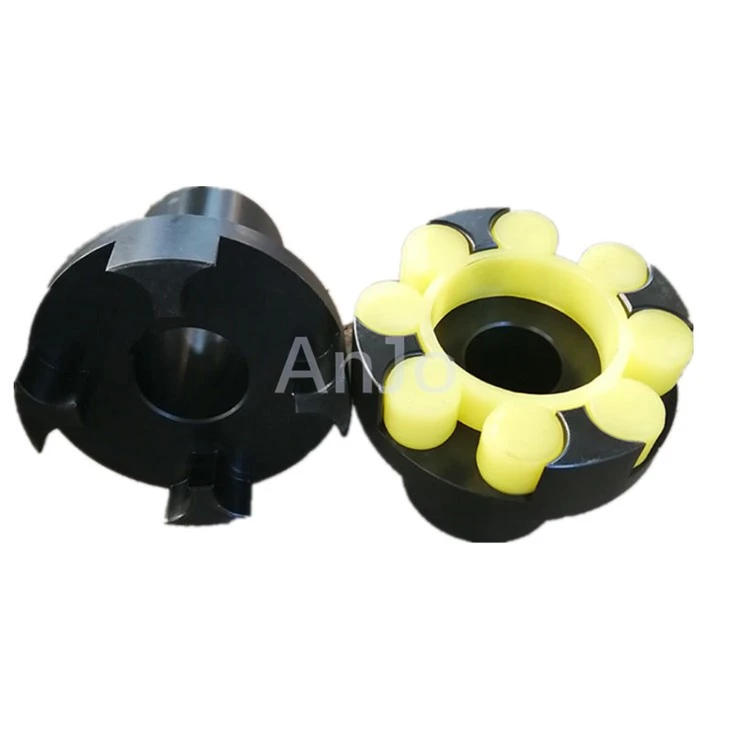
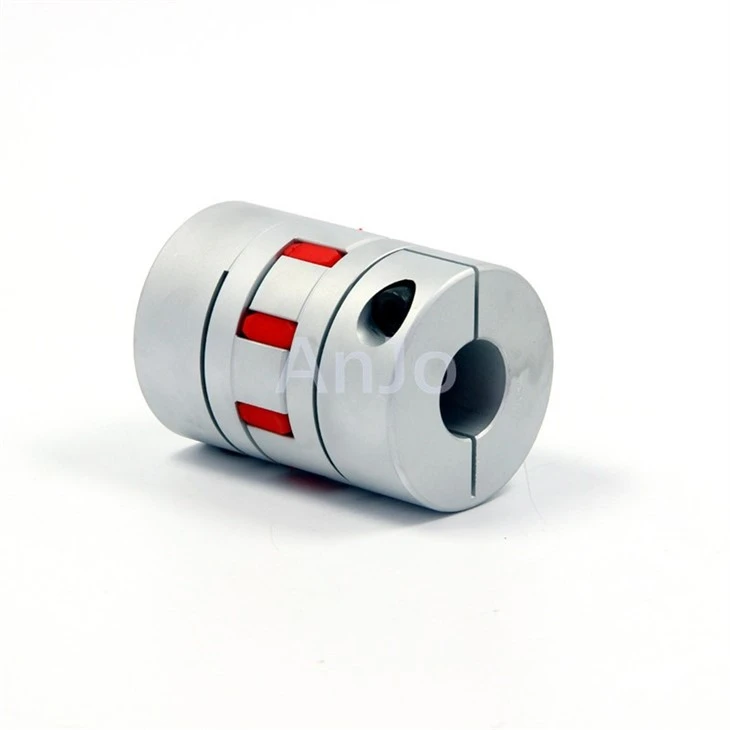
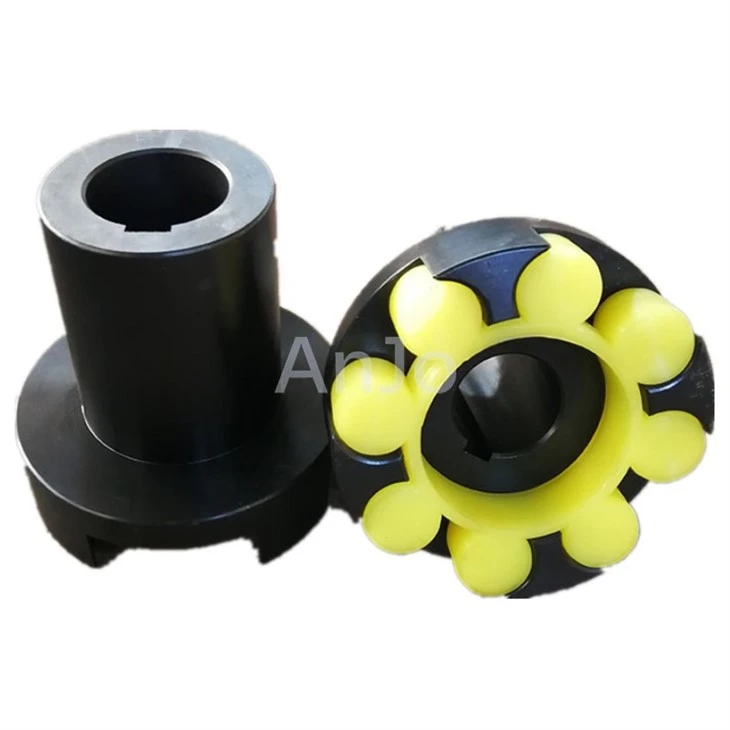
Spider Gear couplings-also commonly known as jaw-type elastic couplings-transmit torque via a plum-shaped elastic insert and serve as widely used elastic connecting components in industrial drive systems.
These couplings consist of two metal hubs with jaw-like teeth and a central elastic insert; they are easy to assemble and can be installed without requiring axial movement. The elastic insert absorbs operational vibrations and compensates for minor radial, angular, and axial misalignments between equipment, thereby reducing damage caused by shock loads to key components such as motors, gearboxes, and pumps.
We offer spider couplings in a wide range of specifications, featuring elastic inserts made from polyurethane in various hardness levels to balance torque-carrying capacity with vibration-damping performance. They are widely used in general machinery, automation equipment, and conveying and packaging machinery.
Core Structure and Operating Principle
The complete spider coupling assembly consists of three components: two metal jaw hubs and a central elastic spider insert.
The two jaw hubs are mounted onto the ends of the drive shafts with their jaws interlocked, sandwiching the elastic insert between them. Torque is transmitted as the jaws compress the elastic insert; the metal hubs do not come into direct contact with each other.
The elastic insert acts as a buffer, absorbing shocks caused by start-stop operations and load fluctuations, while also dampening vibrations to prevent their transmission between equipment units. When the insert wears out, only the spider element needs to be replaced-eliminating the need to disassemble the motor or gearbox-thereby reducing maintenance costs.
Models


Features
Excellent vibration and noise reduction: Polyurethane elastomers cushion impacts and lower operating noise, making the coupling ideal for applications involving frequent start-stop cycles.
Compensates for misalignment: Accommodates minor axial, radial, and angular installation misalignments, simplifying equipment alignment and commissioning.
Easy installation and maintenance: The elastic insert can be replaced without moving the main equipment, minimizing downtime for inspections and repairs.
Compact structure: Small radial dimensions make it suitable for drive locations with limited installation space.
Variety of elastomer options: Spider inserts with different Shore hardness ratings are available to meet specific requirements for high torque or superior vibration damping.
Optional surface treatments: Hubs can undergo anti-rust treatments such as black oxide or zinc plating, making them suitable for standard indoor industrial environments.
Application


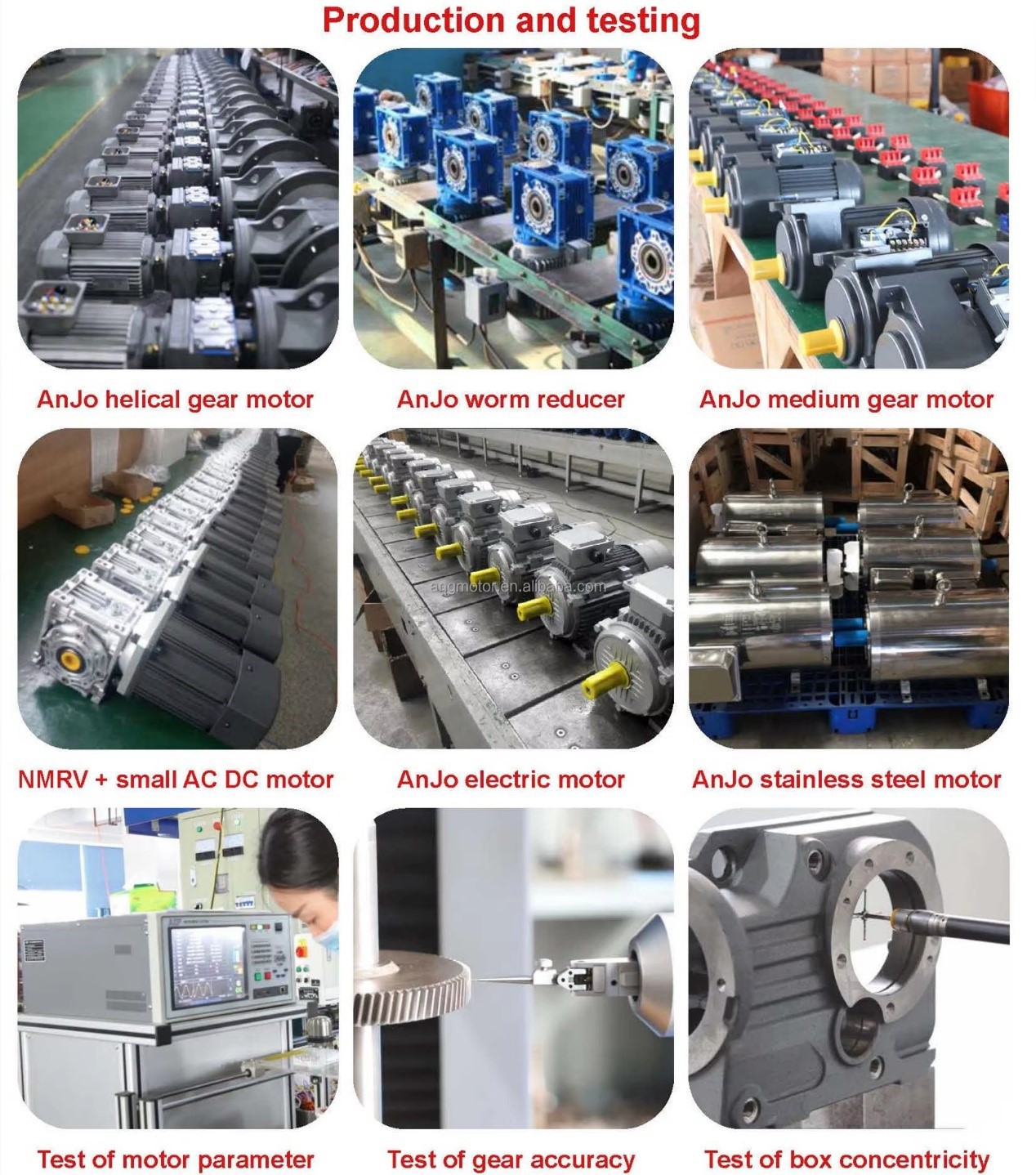

Company Profile





FAQ
Q1: Are spider couplings and jaw couplings the same thing?
A1: Yes, they are simply referred to by different names within the industry. Spider couplings are commonly known as "plum-shaped jaw couplings"; their structure consists of two jaw hubs with an elastic "plum-shaped" insert (spider) in the middle.
Q2: How often should elastic pads generally be replaced?
A2: The replacement interval depends on load, rotational speed, and temperature. Regular inspections are recommended for standard operating conditions; however, inspection intervals should be shortened for equipment subject to frequent start-stop cycles or high-impact loads. Elastic pads must be replaced immediately if cracking or material loss occurs.
Q3: What material is used for the spider coupling's elastic element?
A3: The standard version uses polyurethane (PU), with various hardness options available; please consult us regarding alternative materials for special operating conditions.
|
|
|
|
|
|
|
|
|
|
|
|
|
|
|
|
|
|
|
|
|
|
|
|



Hot Tags: spider gear coupling, China spider gear coupling manufacturers, suppliers, factory
You Might Also Like


Send Inquiry