


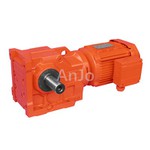


PM Servo Motor
What is a PM Servo Motor?
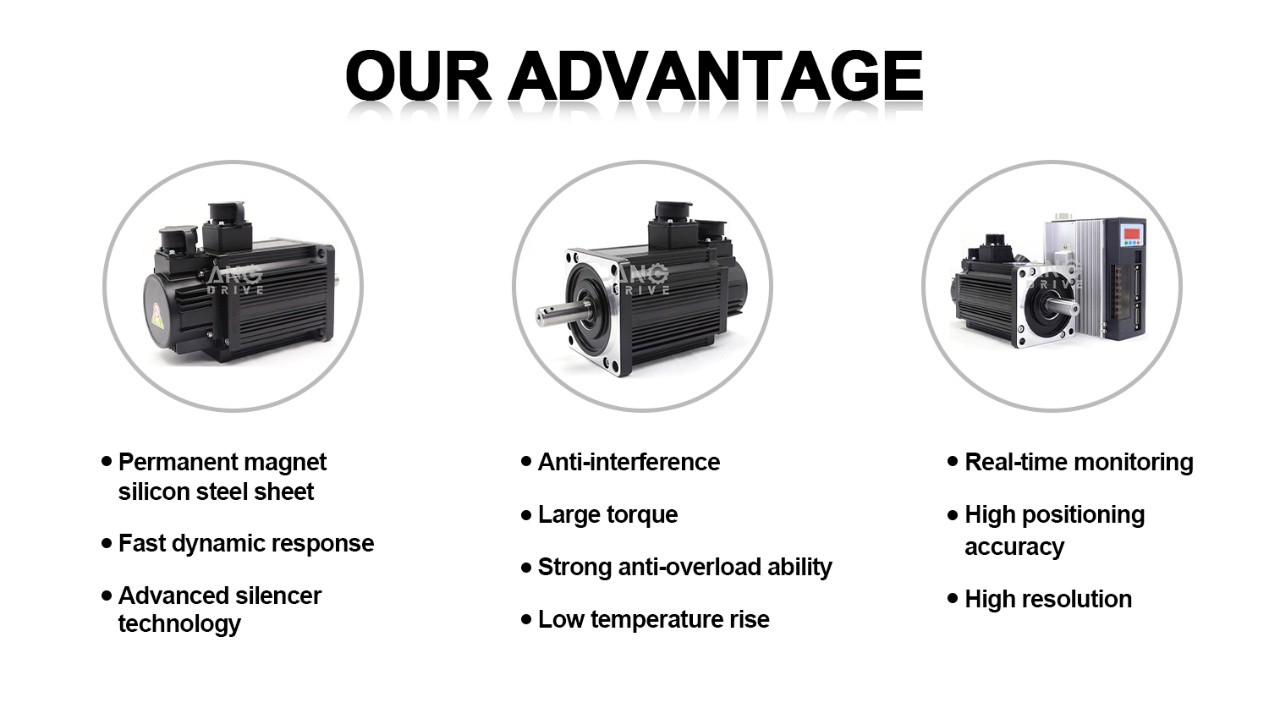
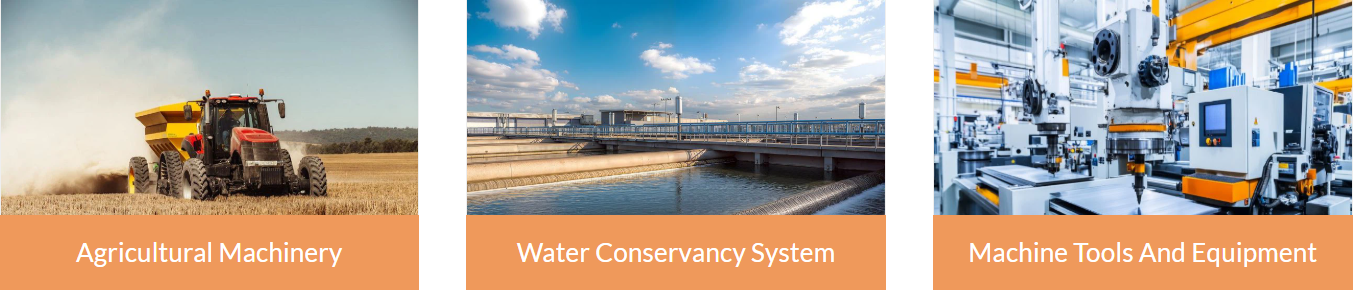
Permanent magnet synchronous servo motors feature a rotor structure utilizing rare-earth permanent magnets. Integrated with a high-resolution encoder for closed-loop feedback, they rely on a servo drive to achieve precise, three-axis control over position, speed, and torque. Unlike standard asynchronous or stepper motors, these units offer superior dynamic response, smooth low-speed torque, and minimal torque ripple. They are capable of frequent, high-frequency start-stop cycles and repetitive positioning over extended periods, serving as the core drive components for precision motion control in automated production lines. Options include incremental or absolute encoders, as well as the addition of electromagnetic brakes and oil seals. With various flange and shaft extension configurations available, these motors are well-suited for applications such as multi-axis synchronization, point-to-point positioning, and motion tracking-effectively meeting requirements for export-oriented equipment, custom automation retrofitting, and the replacement of components in complete machinery systems.




1. High Power Density and Compact Design: Utilizing a rare-earth permanent magnet solution, these motors offer a smaller footprint and lighter weight for the same output torque, saving installation space and simplifying mechanical layout.
2. Closed-Loop Control with High Positioning Accuracy: An encoder provides real-time rotor position feedback, eliminating the risk of "lost steps" (common in stepper motors) and ensuring stable, repeatable positioning-ideal for micron-level precision applications.
3. Rapid Dynamic Response and Excellent Acceleration/Deceleration: With selectable rotor inertia, low-inertia versions deliver ultra-fast response times, enabling quick start, stop, and reversal-perfect for high-cycle-rate automated equipment.
4. Stable Low-Speed Performance: Operates smoothly at low speeds without jitter, providing consistent torque output; well-suited for processes such as feeding, material transport, and winding that require constant torque at low speeds.
5. High Energy Efficiency and Low Heat Generation: Eliminates excitation losses, resulting in superior overall energy efficiency compared to asynchronous motors. Temperature rise remains well-controlled during continuous, long-term operation, reducing the cooling burden on the equipment.
6. Robust Protection and Flexible Options: Features standard IP65 protection and Class F insulation. Optional add-ons include power-off brakes, oil seals, and various encoder types, making the motors suitable for industrial environments with dust or occasional water splashes.
7. Strong Compatibility: Supports mainstream servo drive protocols and can serve as a direct, drop-in replacement for imported servo motors of the same specifications, helping to reduce retrofit costs.











Q1: What are the core differences between permanent-magnet servo motors and stepper motors?
A1: Servo motors utilize closed-loop feedback control, which prevents the loss of steps; they offer stable positioning under high-speed or high-load conditions and feature faster dynamic response. Stepper motors operate via open-loop (or sometimes semi-closed-loop) control; they are prone to losing steps when overloaded and are best suited for low-speed, low-precision, and cost-sensitive applications.
Q2: Can a servo motor be connected directly to a standard variable-frequency drive (VFD)?
A2: No. Permanent-magnet synchronous servo motors require a dedicated servo drive, which utilizes vector control combined with a closed-loop algorithm based on encoder feedback. A standard VFD cannot achieve precise positioning and is likely to trigger fault alerts or even damage the motor.
Q3: How should one choose between an absolute encoder and an incremental encoder?
A3: Incremental encoders require a homing procedure upon power-up and are more cost-effective. Absolute encoders retain position information even after power is lost, allowing for immediate position reading upon power-up; they are ideal for applications such as vertical axes or equipment that cannot perform a homing (zero-return) operation.
|
|
|
|
|
|
|
|
|
|
|
|
|
|
|
|
|
|
|
|
|
|
|
|



Hot Tags: pm servo motor, China pm servo motor manufacturers, suppliers, factory
Previous
Planetary Speed ReducerYou Might Also Like


Send Inquiry