



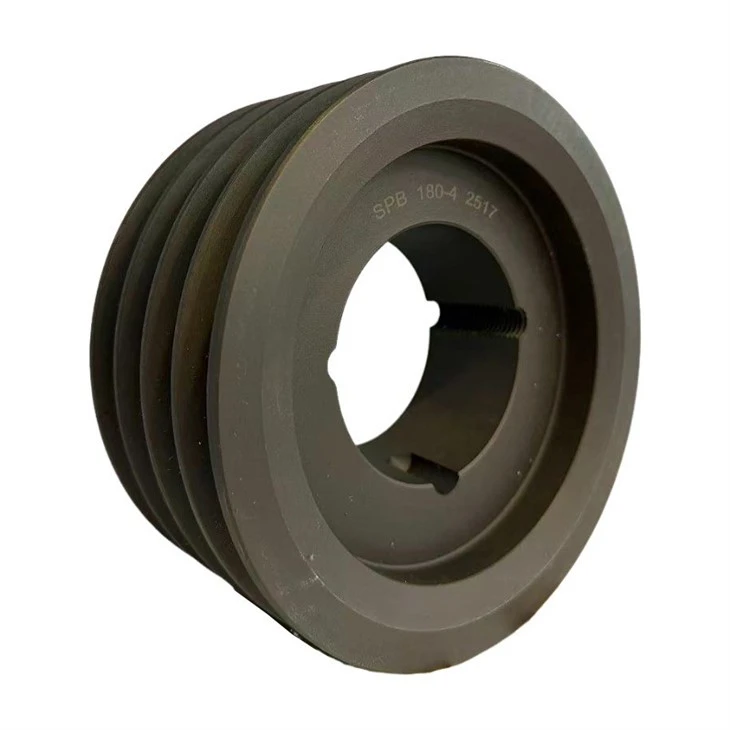
SPB Pulley
What is the SPB pulley?
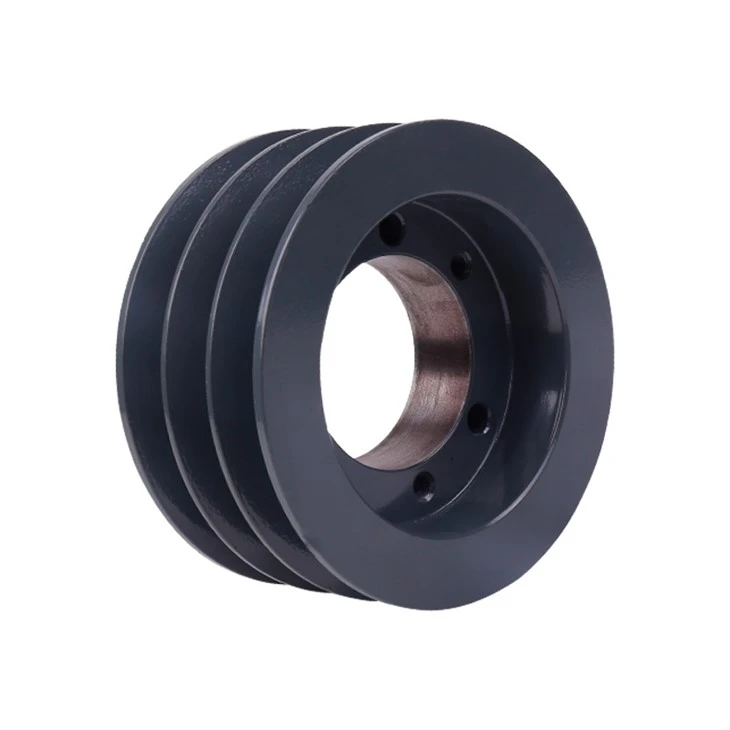
SPB-type pulleys are designed for narrow V-belts based on the datum width standard; they represent a medium-to-heavy-duty specification within narrow V-belt drive systems and are specifically engineered for use with SPB-section narrow V-belts. Unlike standard Type A or B V-belt pulleys, SPB pulleys feature a more compact groove profile and offer higher load-bearing capacity per unit of contact area, making them suitable for continuous operation under high loads and at medium-to-high speeds.
SPB narrow V-belt drives generate friction through the wedging action of the groove against the belt; as the load increases, the wedging force rises correspondingly, providing superior slip resistance compared to conventional V-belt pulleys. For a given outside diameter, SPB pulleys can transmit higher torque and enable more compact machinery designs, making them a mainstream drive solution for applications such as industrial fans, air compressors, auxiliary mining equipment, grain processing machinery, and large-scale conveyor systems.
The SPB groove profile features fixed geometric parameters-including standardized groove datum width, depth, and angle-and is incompatible with SPZ, SPA, or SPC profiles.
- Standard groove angle: 38° (for datum diameters ≥ 190 mm); groove angle compensation is applied to smaller diameters to ensure proper belt fit.
- Compatible belt: SPB narrow V-belt (cross-section dimensions: 16.3 mm × 13 mm).
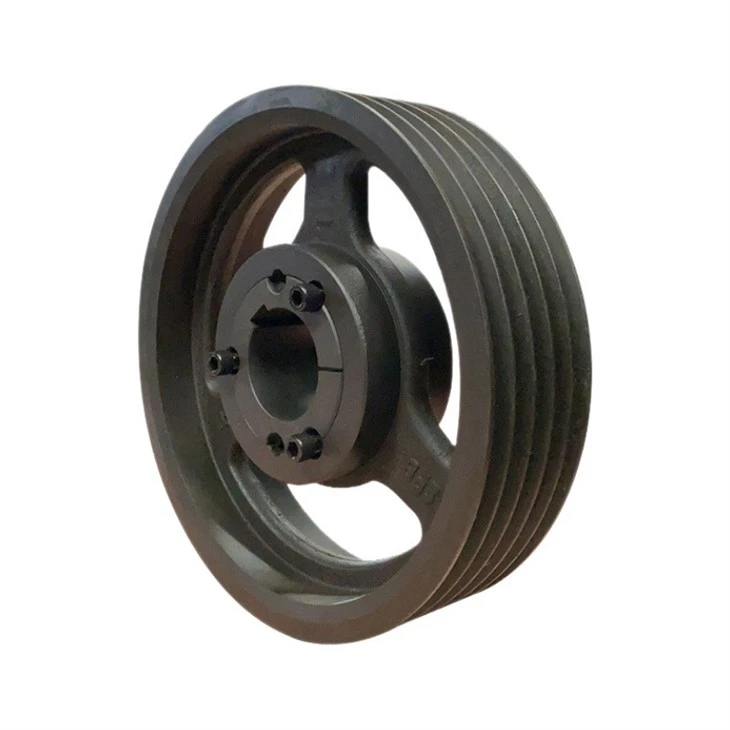
- Structural types: Available in solid, webbed, and spoke designs.
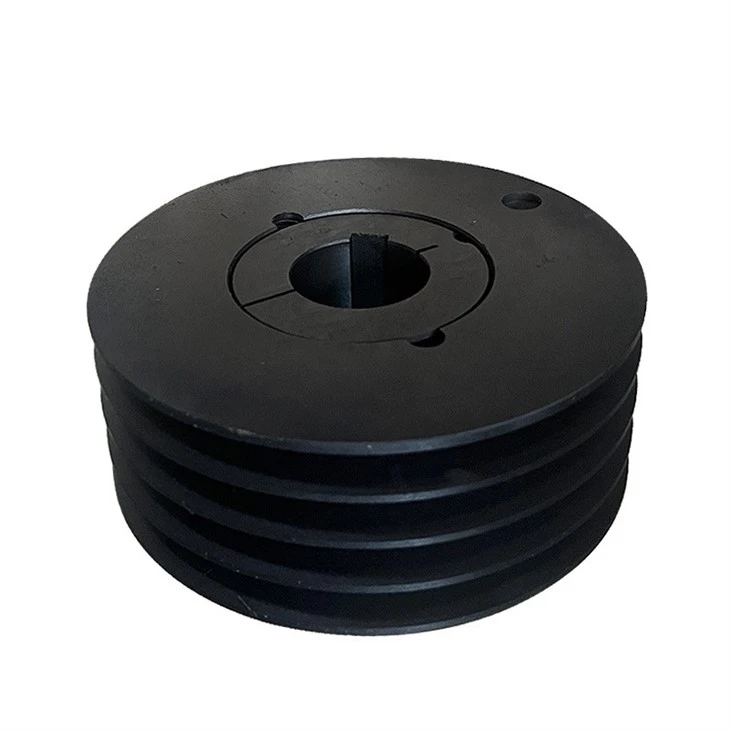
1. Solid pulley: Small outer diameter, robust structure, impact-resistant; suitable for compact, low-to-medium power units.
2. Webbed pulley: Medium outer diameter, weight-optimized design balancing rigidity and heat dissipation; the most common type on the market.
3. Spoked pulley: Large-diameter SPB pulley; significantly reduced weight and moment of inertia, lowering the motor startup load.
The grooves are precision-machined using CNC turning. Groove wall roughness is strictly controlled to ensure a finish free of burrs and machining marks, preventing damage to the belt sidewalls and extending the service life of the SPB V-belt.
Models


Features
1. High torque density: Compared to standard Type B V-belt pulleys, SPB pulleys offer approximately 30% higher power transmission capacity for the same outer diameter, enabling more compact equipment designs.
2. Excellent operational stability: Constructed from HT250 cast iron and balanced to the G6.3 grade, these pulleys are ideal for continuous 24-hour operation in applications such as air compressors and dust extraction fans.
3. Superior heat dissipation: Narrow V-belts provide a larger heat dissipation surface area, resulting in lower operating temperatures and reduced risk of failure due to heat-induced aging.
4. Flexible multi-groove scalability: Available in multi-groove SPB configurations; total transmission power can be increased simply by adding grooves, without altering the center distance.
5. Robust adaptability: Capable of stable operation in environments with dust or mild vibration, eliminating the need for enclosed protective housings.
Application


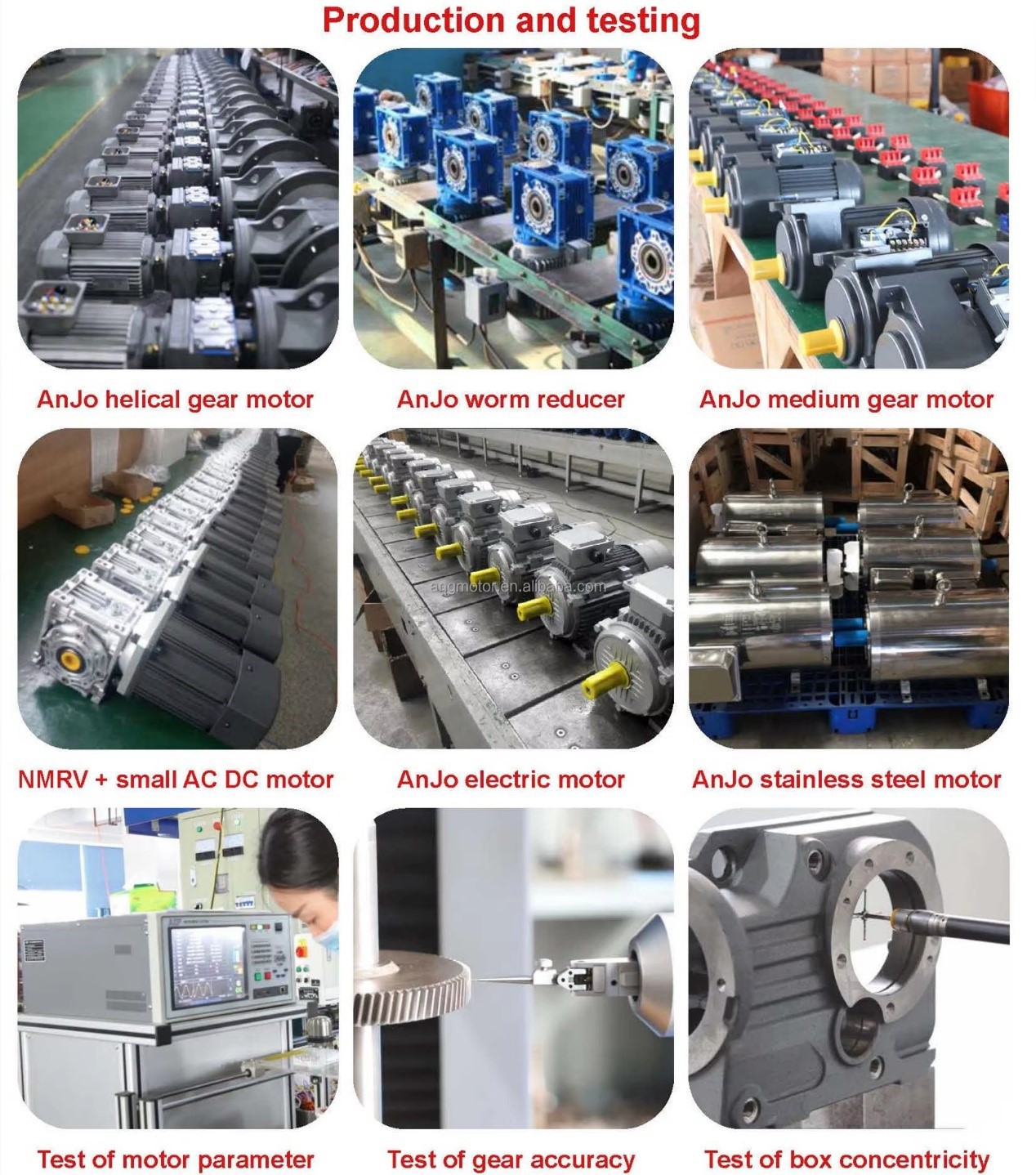

Company Profile





FAQ
Q1: Can SPB pulleys and Type B standard V-pulleys be used interchangeably?
A1: Interchangeability is not recommended. The groove geometry-including groove depth and width-differs between SPB and Type B standard V-pulleys. If a Type B belt is installed on an SPB pulley, the belt will bottom out in the groove; this results in insufficient friction, making it highly prone to slipping and overheating. Conversely, if an SPB narrow V-belt is installed on a Type B pulley, the belt will not seat properly (it will ride high), creating abnormal contact points that cause the belt to tear within a short period. Proper selection requires a precise match between the groove profile and the belt type.
Q2: What is the maximum number of grooves for SPB pulleys?
A2: Standard off-the-shelf SPB pulleys are available with up to 6 grooves; pulleys with more than 6 grooves are classified as wide, multi-groove, non-standard SPB pulleys. These require custom blank designs, resulting in longer production lead times. For multi-groove SPB pulleys, it is crucial to verify the rigidity of the pulley body to prevent face runout-especially in wide pulleys operating at high speeds.
Q3: What is an SPB Taper-Lock Pulley, and what are its advantages?
A3: SPB taper-lock pulleys utilize a taper-lock mechanism, eliminating the need for shrink-fitting and making installation and removal simple. They allow for pulley replacement without dismantling the motor shaft, making them ideal for equipment requiring frequent maintenance or component swaps; they are widely used in export machinery. The downside is that, for a given outer diameter, the taper-lock version occupies more axial space.
|
|
|
|
|
|
|
|
|
|
|
|
|
|
|
|
|
|
|
|
|
|
|
|



Hot Tags: spb pulley, China spb pulley manufacturers, suppliers, factory
Previous
SPA PulleyNext
V Belt PulleyYou Might Also Like


Send Inquiry