


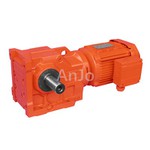
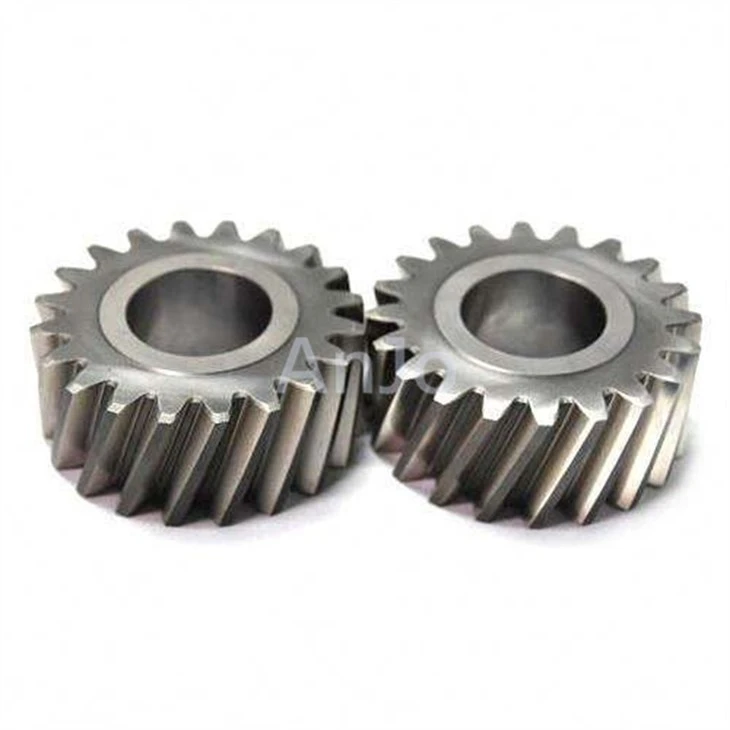

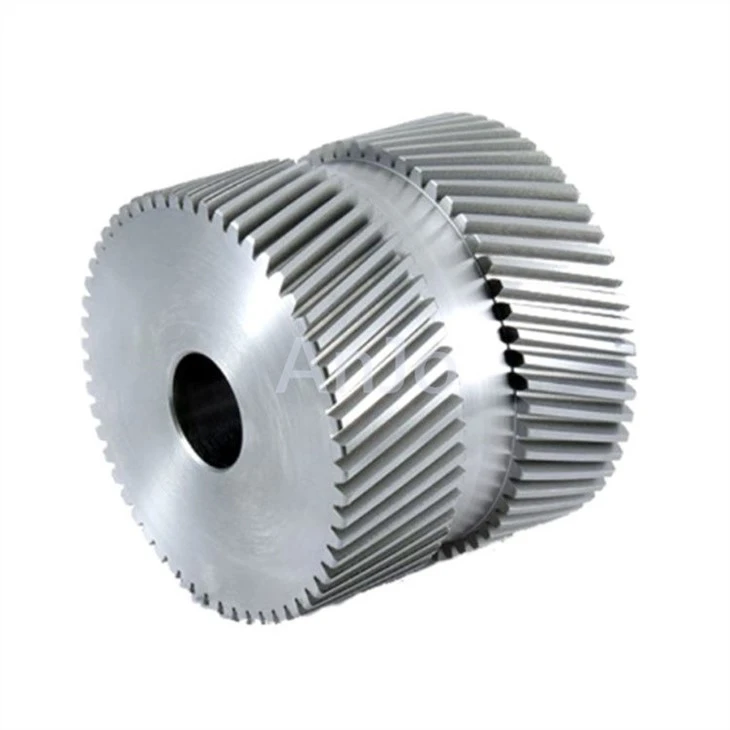
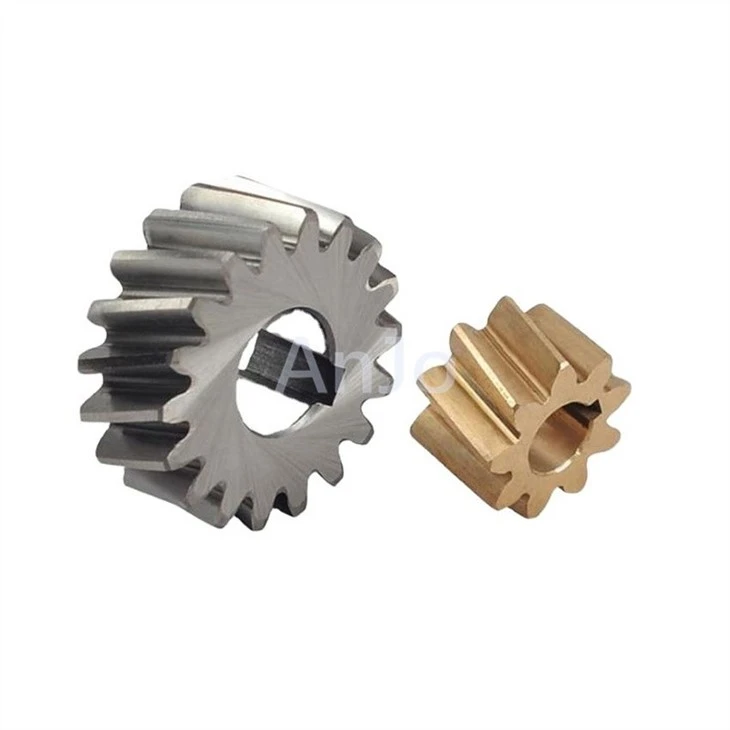
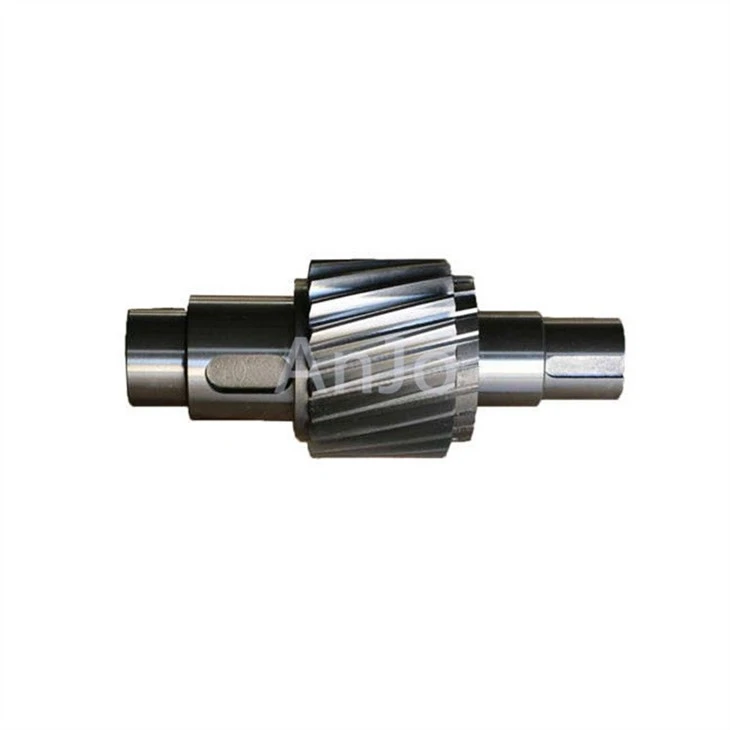
Helical Gear
What is the Helical Gear?
Helical gears (specifically helical cylindrical gears) are essential components for high-speed, continuous industrial power transmission. Characterized by a helical tooth profile, they differ from spur gears-which engage instantaneously-by utilizing a principle of gradual meshing and disengagement to ensure smooth, shock-free power transmission. As a standard component in high-end transmission systems, helical gears effectively resolve common industry issues associated with spur gears, such as high-speed noise, excessive vibration, tooth breakage, and short fatigue life, making them the preferred choice for precision, high-speed, and heavy-load equipment.
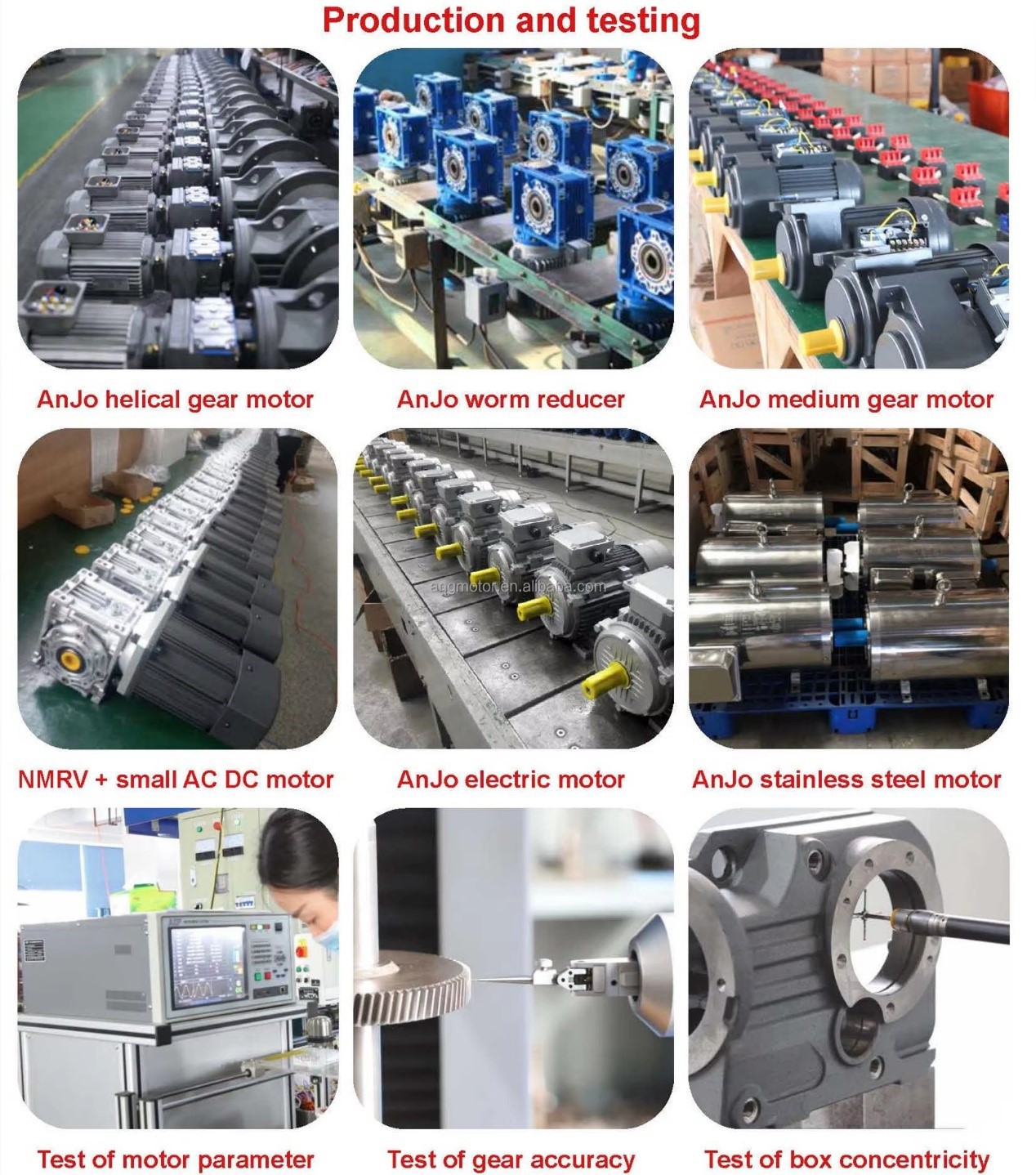
For over a decade, our factory has specialized in the R&D and custom manufacturing of precision helical gears. We strictly adhere to GB, DIN, and JIS standards, offering a comprehensive product range that includes milled, precision-ground, and hardened helical gears. We support fully customized specifications-including helix angle, module, tooth count, and profile shift coefficient-to meet unique requirements. Leveraging extensive practical experience in high-speed operating environments, we optimize tooth profile modification and heat treatment processes to deliver products that combine high transmission efficiency, low noise levels, and superior fatigue resistance.
Models
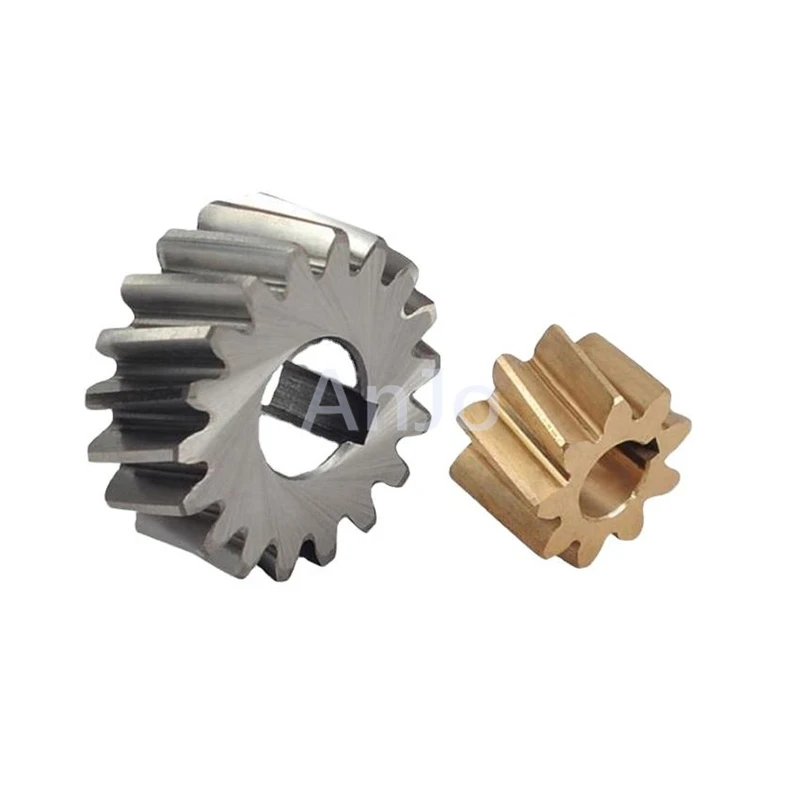
Features
- High-overlap progressive meshing for ultra-smooth transmission: The helical tooth profile offers a significantly higher contact ratio than spur gears; teeth engage and disengage gradually, eliminating instantaneous shock loads. This effectively prevents vibration and stuttering during high-speed operation, ensuring exceptionally smooth performance-making it the ideal choice for precision drive systems requiring frequent start-stop cycles.
- Quiet, low-vibration operation for high-end applications: While spur gears typically generate over 85 dB of noise, precision helical gears operate at under 65 dB. With superior vibration and noise reduction, they are perfectly suited for demanding high-end sectors such as smart manufacturing, medical equipment, and precision instrumentation.
- Enhanced load capacity and doubled fatigue life: Helical gears feature a larger tooth contact area, distributing force evenly and reducing pressure per unit of tooth surface. They offer excellent impact and fatigue resistance; for the same specifications, load capacity exceeds that of spur gears by over 30%, and continuous operational lifespan increases by more than 50%.
Application


Company Profile




FAQ
Q1: What are the key differences between helical gears and spur gears, and how should one choose between them?
A1: The core differences lie in their meshing characteristics and transmission performance. Spur gears feature straight teeth that engage instantaneously; while they offer a simple, cost-effective design, they are prone to vibration and noise at high speeds and have limited load-bearing capacity. In contrast, helical gears utilize a progressive, helical meshing action, resulting in a higher contact ratio, smoother transmission, quieter operation with reduced vibration, and superior load-bearing capability. Selection criteria are straightforward: opt for spur gears for general-purpose equipment operating at low speeds or intermittently, especially when budget is a priority; choose helical gears for high-speed, continuous operation, precision positioning, low-noise requirements, and heavy-duty, long-term applications, as they meet the demands for stable, high-end equipment performance.
Q2: How does the helix angle of a helical gear affect the equipment's transmission?
A2: The helix angle is a critical parameter of helical gears that directly determines transmission performance: a larger helix angle results in a higher contact ratio, smoother operation, lower noise levels, and greater load-bearing capacity, though it also leads to a slight increase in axial thrust. While standard industrial applications typically utilize helix angles between 15° and 25°, our factory can customize the angle based on specific bearing load capacities and transmission precision requirements; this allows us to balance smoothness against axial thrust, thereby preventing issues such as axial drift and bearing overload or excessive wear.
Q3: Can non-standard, custom-helix-angle, and profile-shifted helical gears be precisely manufactured as replacements?
A3: Yes, they can be precisely custom-manufactured to full specifications as replacements. Our factory supports the production of non-standard helical gears with any helix angle, profile shift coefficient, face width, or bore size. We can accurately replicate the specific parameters of imported or legacy equipment, ensuring a perfect match in tooth profile, backlash, and mounting dimensions-allowing for direct installation without the need for machine modifications or adjustments.
|
|
|
|
|
|
|
|
|
|
|
|
|
|
|
|
|
|
|
|
|
|
|
|



Hot Tags: helical gear, China helical gear manufacturers, suppliers, factory
You Might Also Like


Send Inquiry