


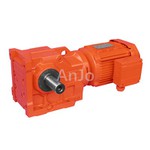


Three Phase Synchronous Motor
What is a Three Phase Synchronous Motor?
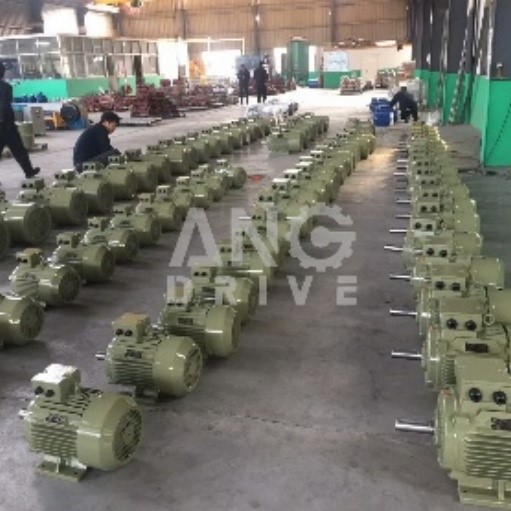
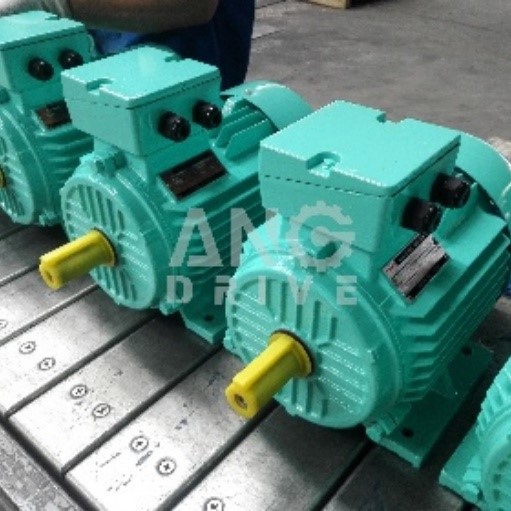
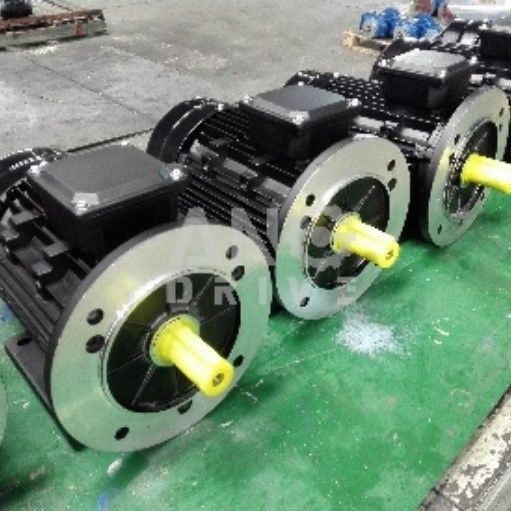
The three-phase synchronous motor is a high-end industrial AC drive motor characterized by the rotor speed perfectly synchronizing with the speed of the stator's rotating magnetic field-enabling zero-slip operation-which fundamentally distinguishes it from the slip-loss characteristics of three-phase asynchronous induction motors. This series employs a dual-structure design featuring either permanent magnet or DC excitation; three-phase AC supplied to the stator generates a rotating magnetic field, while the rotor establishes a constant magnetic field and operates in precise phase-locked synchronization. It stands as the only industrial drive motor capable of maintaining an absolutely constant speed despite fluctuations in load or voltage.
Models
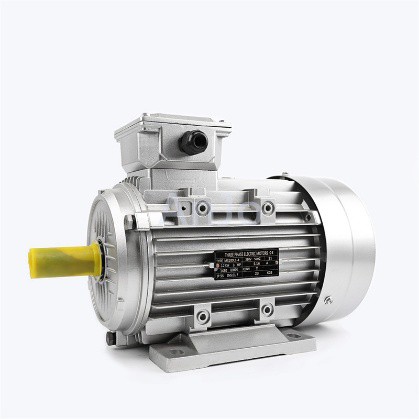
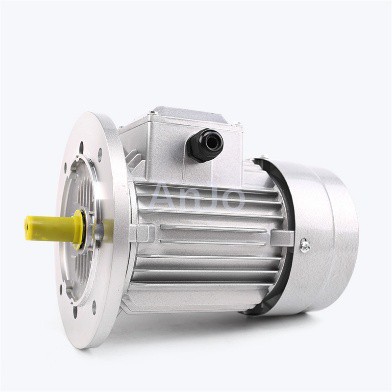
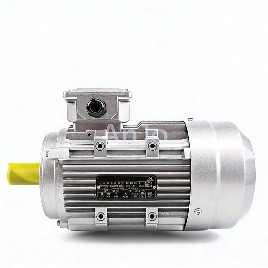
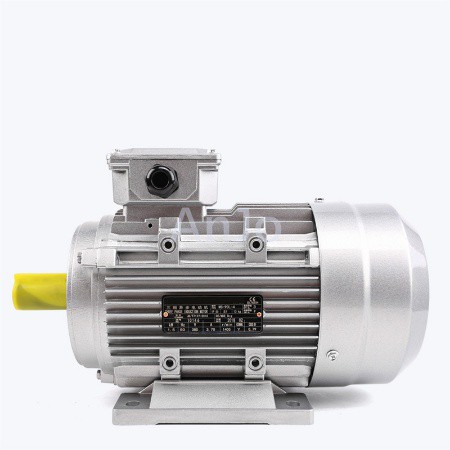
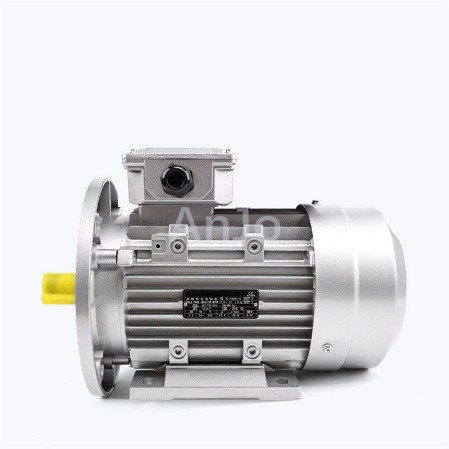
Features
- High rotational speed rigidity under load disturbances ensures consistent process performance.
Rotational speed rigidity refers to a motor's ability to resist fluctuations caused by load changes. When the equipment encounters instantaneous shock loads, the three-phase synchronous motor leverages the electromagnetic phase-locking effect to minimize speed drop and rapidly recover to the rated speed. This makes it ideal for processes sensitive to speed fluctuations-such as papermaking, film production, and wire drawing-thereby reducing issues like uneven product thickness, material breakage, and high defect rates.
- High-power models feature a broad high-efficiency operating range and exhibit minimal efficiency degradation under light-load conditions. While many high-efficiency induction motors achieve peak efficiency only near full load-with efficiency dropping rapidly at lighter loads-three-phase synchronous motors maintain high efficiency across a load range of **50% to 100% of rated capacity**. They sustain superior energy performance during prolonged operation with fluctuating or partial loads, making them ideal for fluid-handling equipment such as pumps and fans where load variations are common.
- Standardized IEC mounting dimensions ensure low retrofit costs and rapid project implementation.
The unit adheres to international IEC standards regarding frame size; its shaft height, mounting hole locations, and output shaft dimensions are compatible with conventional industrial motors of the same specifications. During energy-efficiency retrofits, the unit can directly replace existing asynchronous motors in their original positions without the need for base modifications or realigning the drive train. This significantly shortens downtime and reduces on-site installation costs.
Products Description
|
Model |
Three Phase Synchronous Motor |
|
Frame |
132~355 |
|
Power |
2.2KW - 355KW
|
|
Speed |
3000rpm, 1500rpm, 1000rpm |
|
Voltage |
380V |
|
Frequency |
50HZ/60HZ |
|
Efficiency |
IE1, IE2, IE3, IE4 |
|
Cooling |
Fan |
|
Protection |
IP44/IP54/IP55 |
|
Housing |
Aluminum/Cast Iron |
|
Ambient temperature |
-15℃≤0℃≤40℃ |
|
Altitude |
No exceeding 1000 meters |
|
Duty |
S1 |

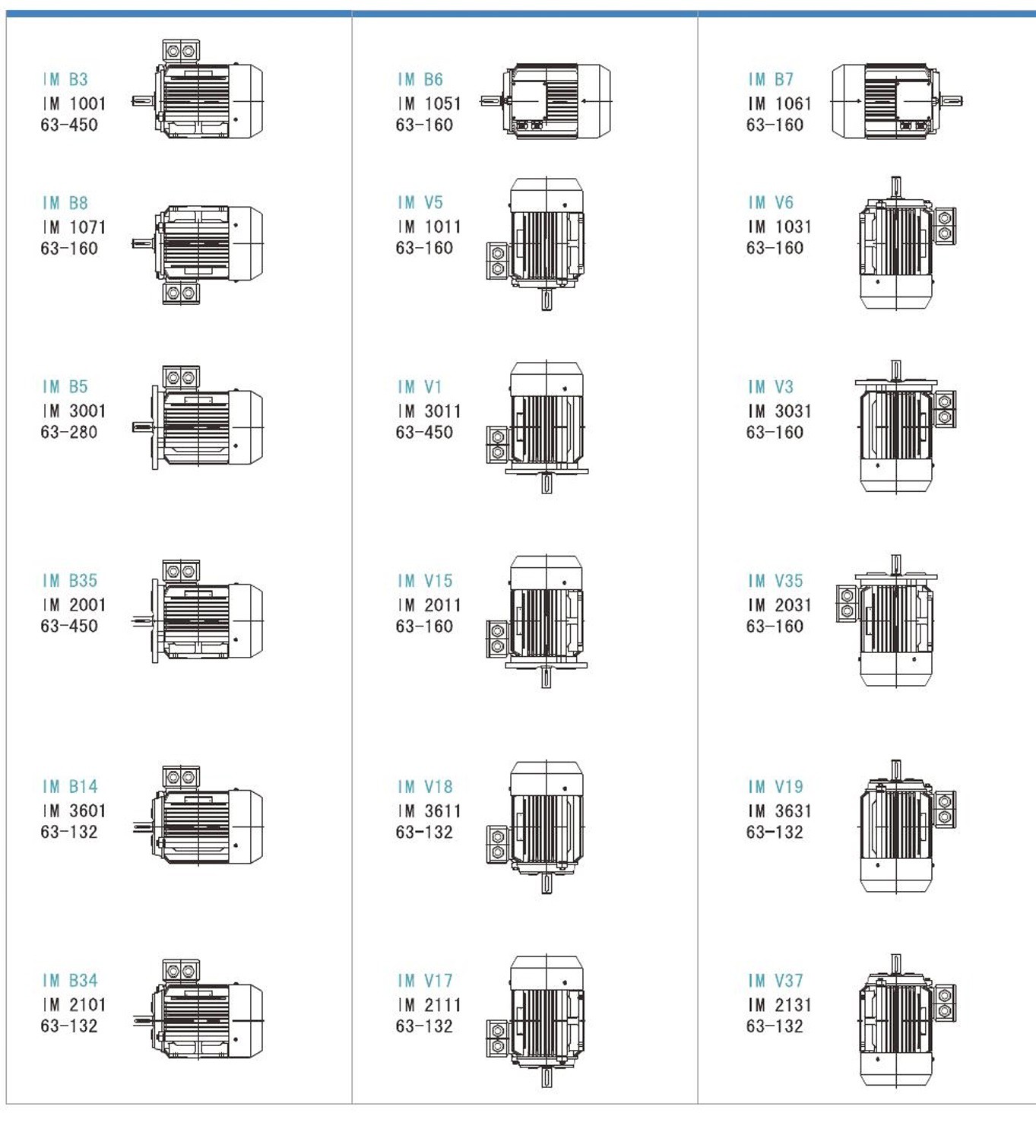
Installation position
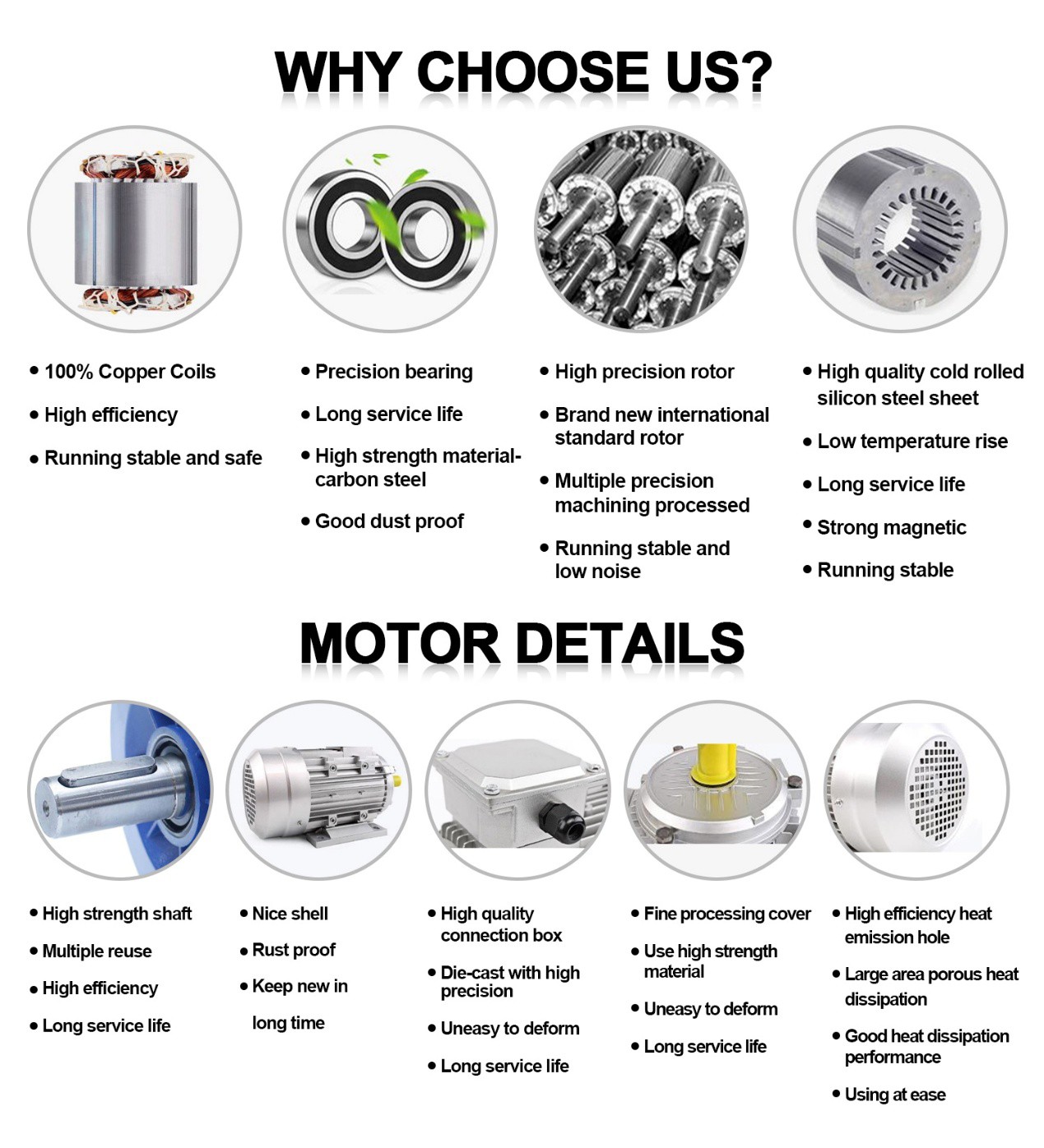
Our advantages
Production
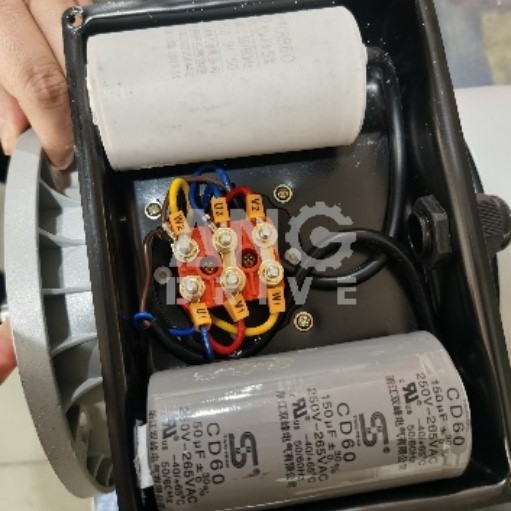
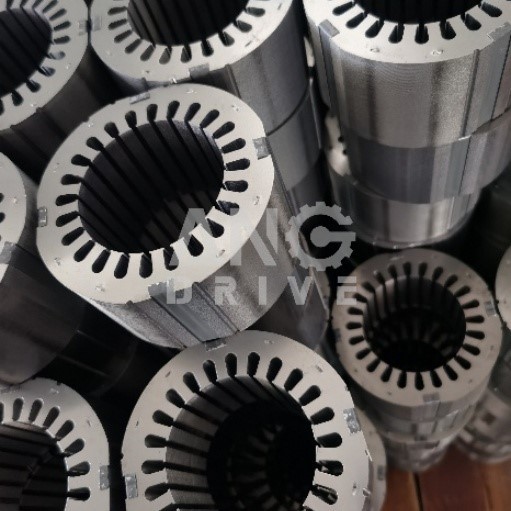
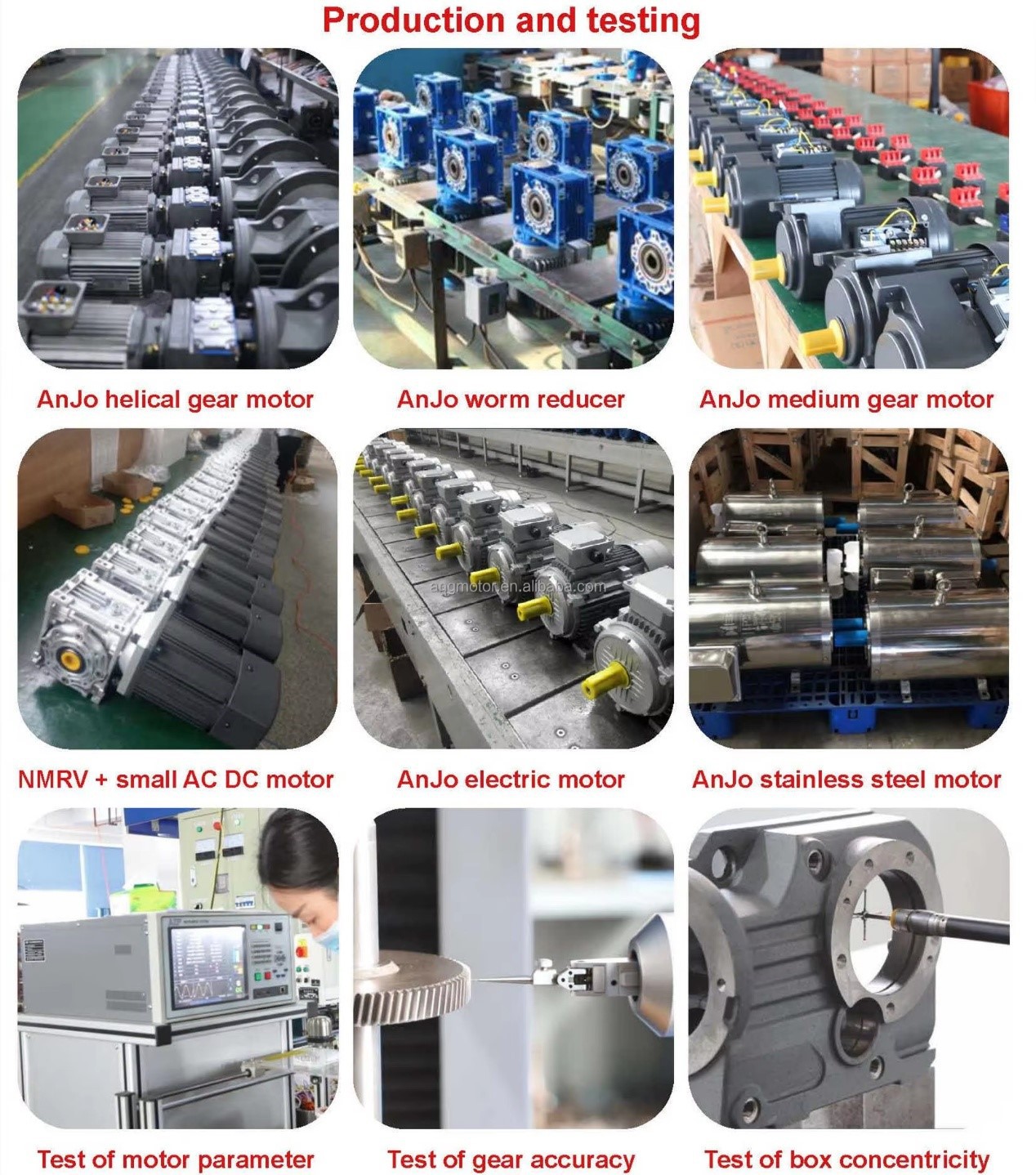
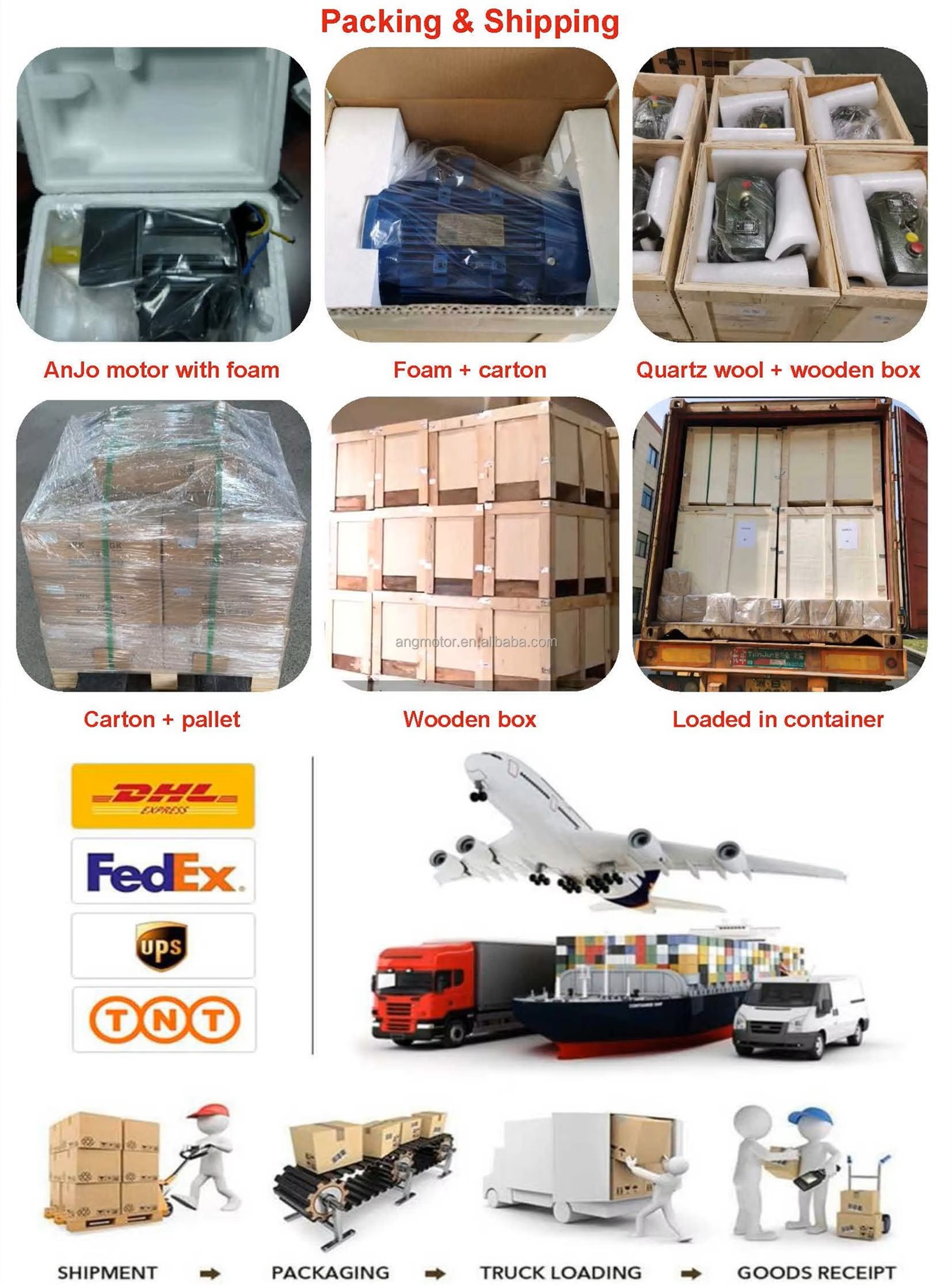
Application
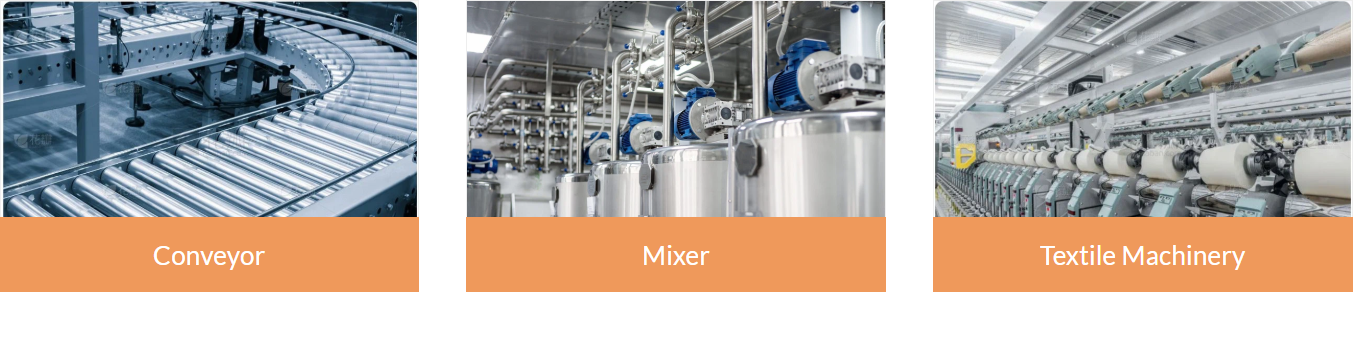
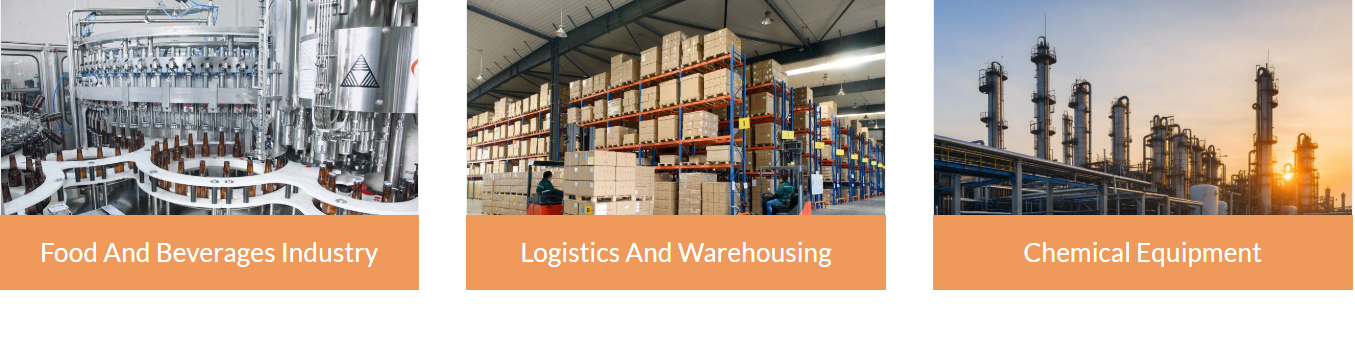
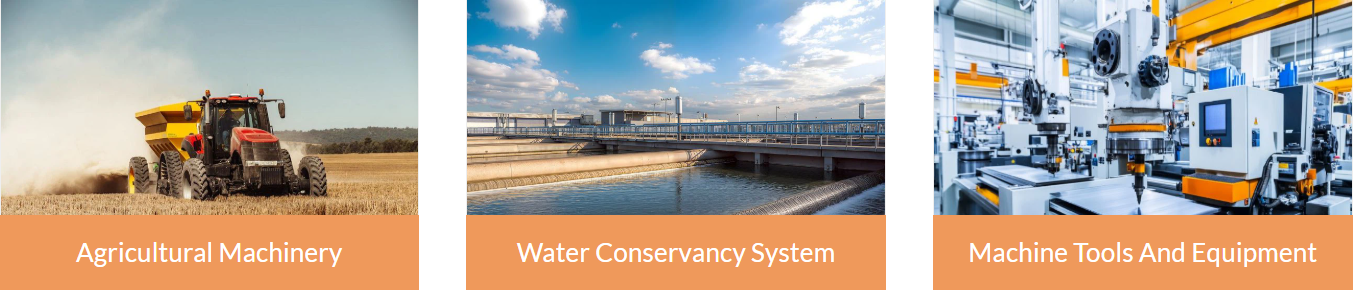
Leveraging unique advantages-such as precise constant-speed operation, ultra-low energy consumption, adjustable power factor, and long-term stability-three-phase synchronous motors excel in industrial scenarios where asynchronous motors fall short. They are the core drive equipment for high-end industrial automation and energy-efficiency upgrades, particularly in applications requiring precision, long-term energy savings, and grid optimization.
1. Precision Light-Industry Equipment (Constant-Speed Production)
Applications include textile machinery, papermaking machines, printing presses, film stretching equipment, and precision rolling lines. These processes demand extremely consistent rotational speeds; even minute fluctuations can result in uneven product thickness, pattern misalignment, or defects. Synchronous motors operate at a constant speed with zero slip, ensuring stable performance throughout the process and guaranteeing high production precision and yield rates.
2. Large-Scale Fluid Transport Equipment
Applications include large industrial water pumps, high-pressure blowers, centrifugal fan units, HVAC systems, and water transport equipment. These systems often operate continuously year-round; the synchronous motor's ultra-low loss characteristics significantly reduce long-term electricity costs. Additionally, the constant speed ensures stable fluid transport pressure, eliminating fluctuations in air or water pressure.
3. Heavy Industry and Chemical Processing Equipment
Applications include mining crushers, chemical mixers, material grinding equipment, heavy-duty drive units, and metallurgical auxiliary equipment. These motors are suited for heavy-duty operations involving frequent starts/stops and fluctuating loads, offering high starting torque, strong overload capacity, and stable operation. They also optimize the workshop's power factor, thereby reducing industrial energy losses.
4. Factory Energy Efficiency and Grid Optimization Upgrades
Applications include replacing aging motors, retrofitting workshop grids for reactive power compensation, and upgrading the energy efficiency of high-power drive equipment. Replacing traditional, inefficient asynchronous motors with synchronous motors serves a dual purpose: acting as a drive unit while simultaneously compensating for reactive power. This improves grid quality, reduces electricity costs, and avoids penalties associated with poor power factor.
5. High-End Precision Automation Equipment
Precision constant-speed conveyor lines, high-end inspection equipment, constant-speed processing machinery, and precision laboratory drive systems-leveraging exceptional rotational speed stability to ensure accuracy in processing, inspection, and drive operations, thereby meeting the demands of high-end precision industrial production.
Company Profile
FAQ
Q: What does the routine maintenance of three-phase synchronous motors entail, and are maintenance costs high?
A: Permanent magnet synchronous motors are virtually maintenance-free; separately excited synchronous motors require only periodic checks of the excitation control system, wiring terminals, and bearing lubrication. Compared to wound-rotor or DC motors, they eliminate the need for consumable carbon brushes and frequent parts replacement, and experience minimal mechanical wear. Consequently, annual operation and maintenance costs are far lower than those of other industrial motor types, making them ideal for long-term, unattended operation.
Q: Are three-phase synchronous motors suitable for applications involving frequent starting and stopping?
A: Extremely frequent starting and stopping is not recommended. Synchronous motors rely on magnetic field synchronization to operate; frequent cycling increases excitation surges and mechanical stress. They are better suited for long-term, steady-state continuous operation at constant speeds and loads. For applications requiring frequent starts and stops, asynchronous motors or servo motors are recommended, as they offer better operational suitability and a longer service life.
|
|
|
|
|
|
|
|
|
|
|
|
|
|
|
|
|
|
|
|
|
|
|
|



Hot Tags: three phase synchronous motor, China three phase synchronous motor manufacturers, suppliers, factory
Previous
Big Servo MotorYou Might Also Like


Send Inquiry