



Transmission Drive Chain
What is the Transmission Roller Chain?
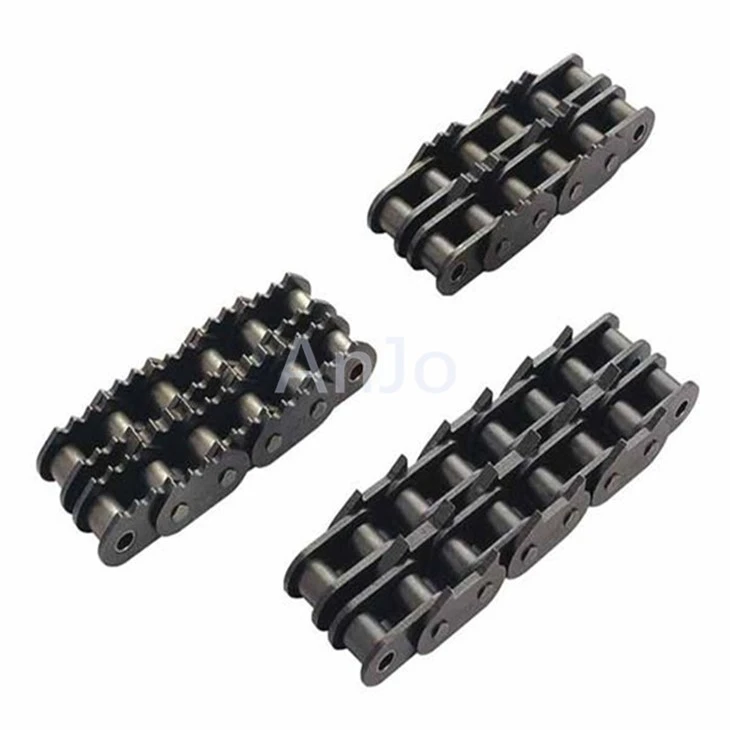
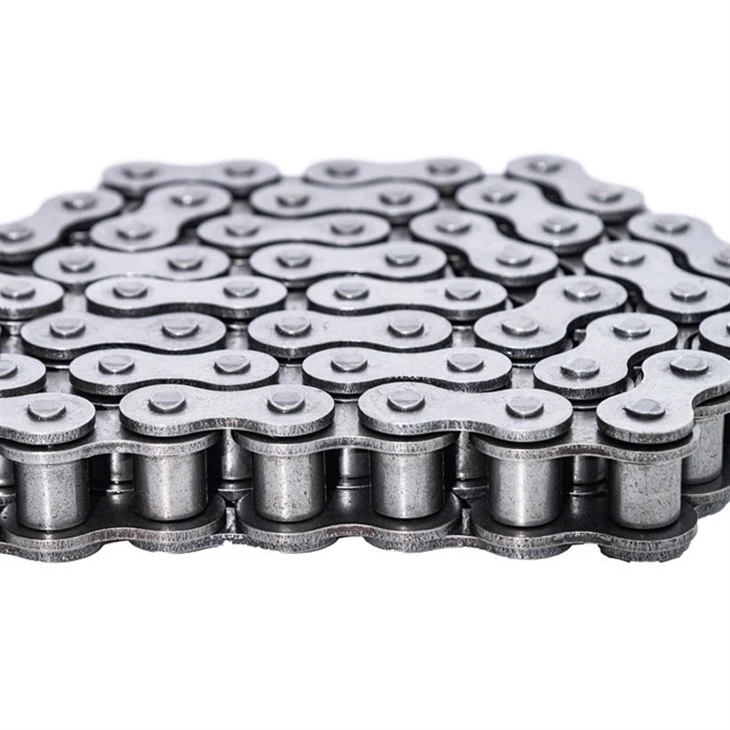
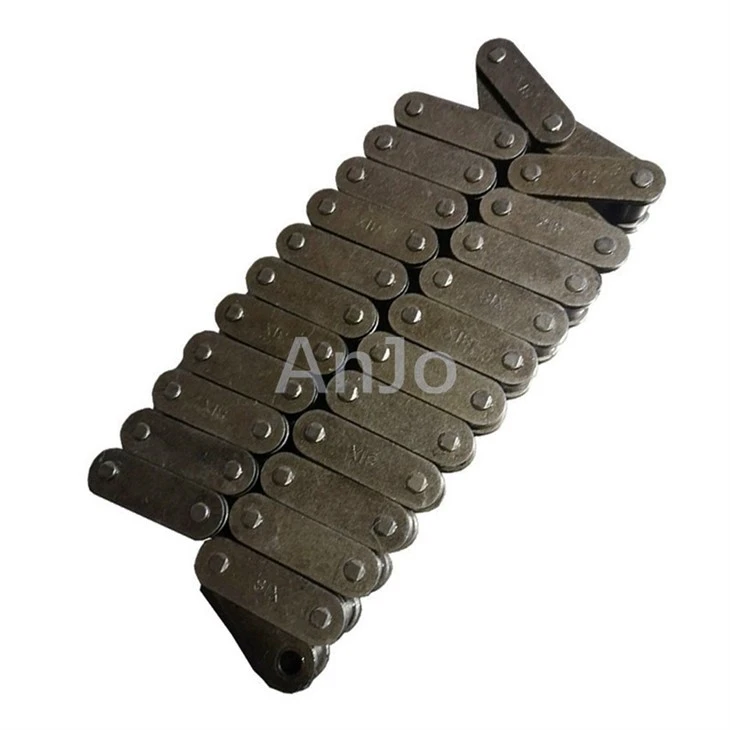
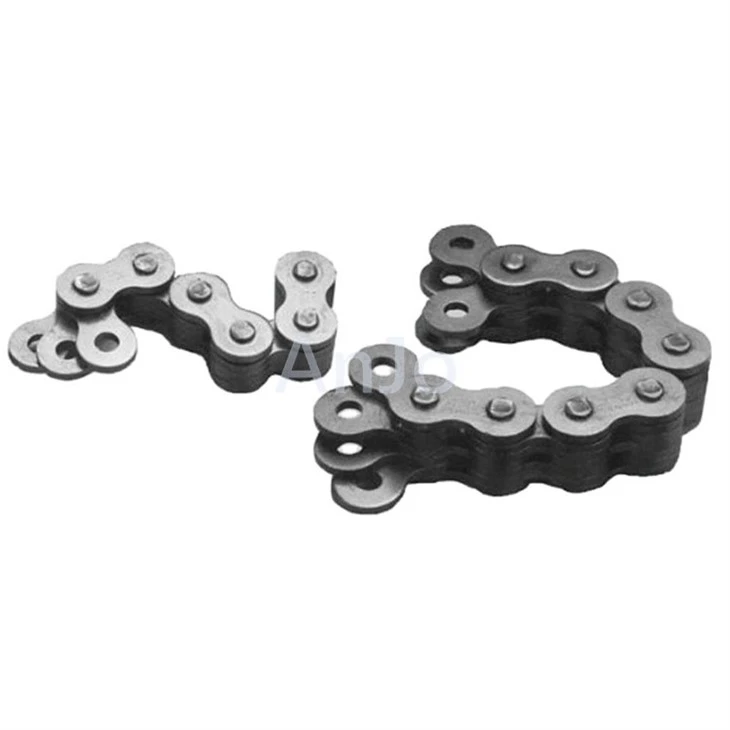
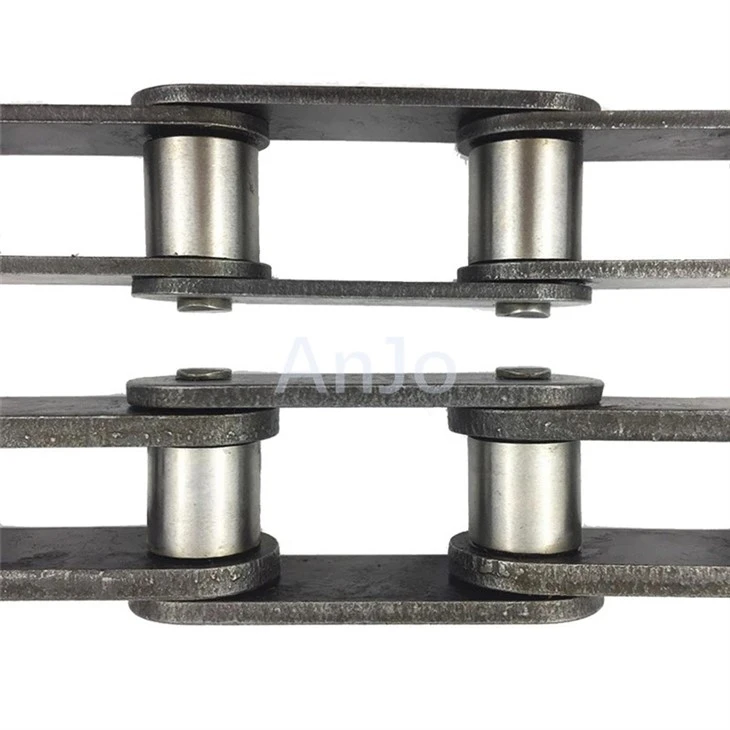
Drive chains are flexible, meshing-type power transmission components that transmit torque and rotational speed through the engagement of rollers with sprocket teeth. Unlike friction-based drives-such as those using synchronous or V-belts-they offer precise transmission ratios and can withstand significant impact loads. The most common type is the short-pitch precision roller chain, which consists of inner and outer link plates, pins, bushings, and rollers. These are available in single-, double-, or triple-strand configurations and comply with ISO 606, ANSI, and GB/T 1243 standards, ensuring interchangeability with compatible sprockets of the same specification.
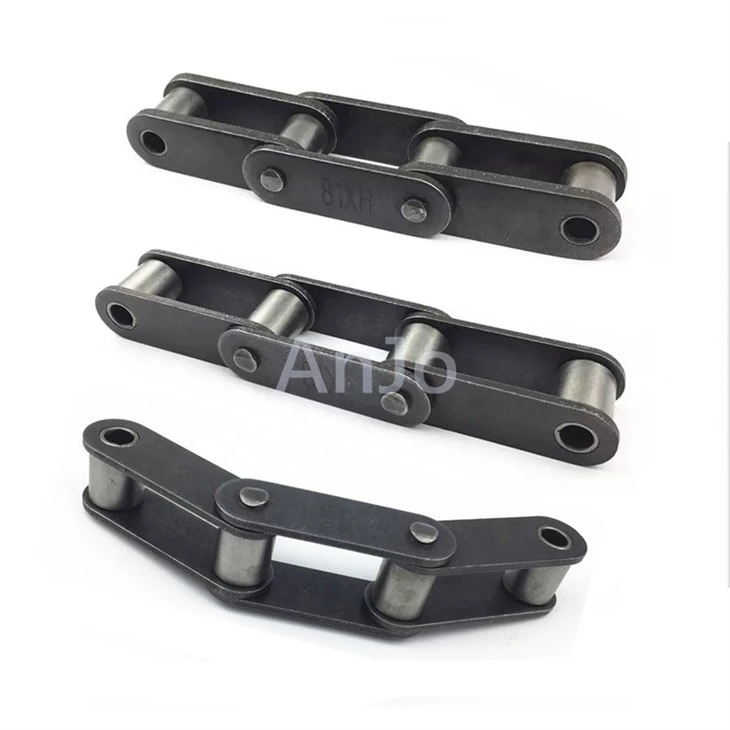
Drive chains are well-suited for applications involving large center distances, high temperatures, dusty environments, or the presence of oil. Unlike belt drives, they do not suffer from slippage, making them ideal for use in air compressors, agricultural machinery, woodworking equipment, and the output drives of gear reducers. This product range includes standard roller chains, heavy-duty (thickened) chains, maintenance-free O-ring sealed chains, and corrosion-resistant stainless steel chains. Both standard off-the-shelf products and customized versions with special attachments are available.
Models


Features
1. Meshing transmission with a stable gear ratio and no slippage
By meshing rollers with sprocket teeth, this system eliminates the slippage common with belt drives, ensuring precise rotational synchronization. It is ideal for power transmission applications that require a stable output speed, with a "tooth-jumping" mechanism that acts as a safety feature to protect downstream equipment during overloads.
2. High load-bearing capacity, suitable for impact-heavy conditions
Multi-strand (double or triple-row) configurations increase total tensile load capacity without requiring a larger pitch. Heavy-duty versions with thickened link plates are well-suited for agricultural machinery and crushing equipment subject to frequent start-stop cycles and impact loads.
3. Versatile for various operating environments; multiple material options available
Quenched carbon steel chains are suitable for general industrial use, while 304/316 stainless steel options are ideal for humid, food-processing, or freshwater environments. O-ring sealed chains retain internal lubricant, extending maintenance intervals in dusty settings where frequent re-lubrication is impractical. Surface treatments such as galvanizing, nickel plating, or Dacromet coating are available for enhanced rust protection.
4. Flexible installation; well-suited for long center distances
This system is ideal for drive layouts with large center distances between shafts and does not require high initial tension. Simple tensioning sprockets can be added to compensate for elongation caused by wear over time, making it easy to retrofit or modify existing machinery.
5. Mature support ecosystem for easy replacement
Standard chain sizes are globally compatible. A comprehensive range of sprockets, connecting links, offset links, and tensioning components is readily available, simplifying maintenance and replacement. Chains can be cut to specific lengths and fitted with connecting clips (master links) as needed.
Application


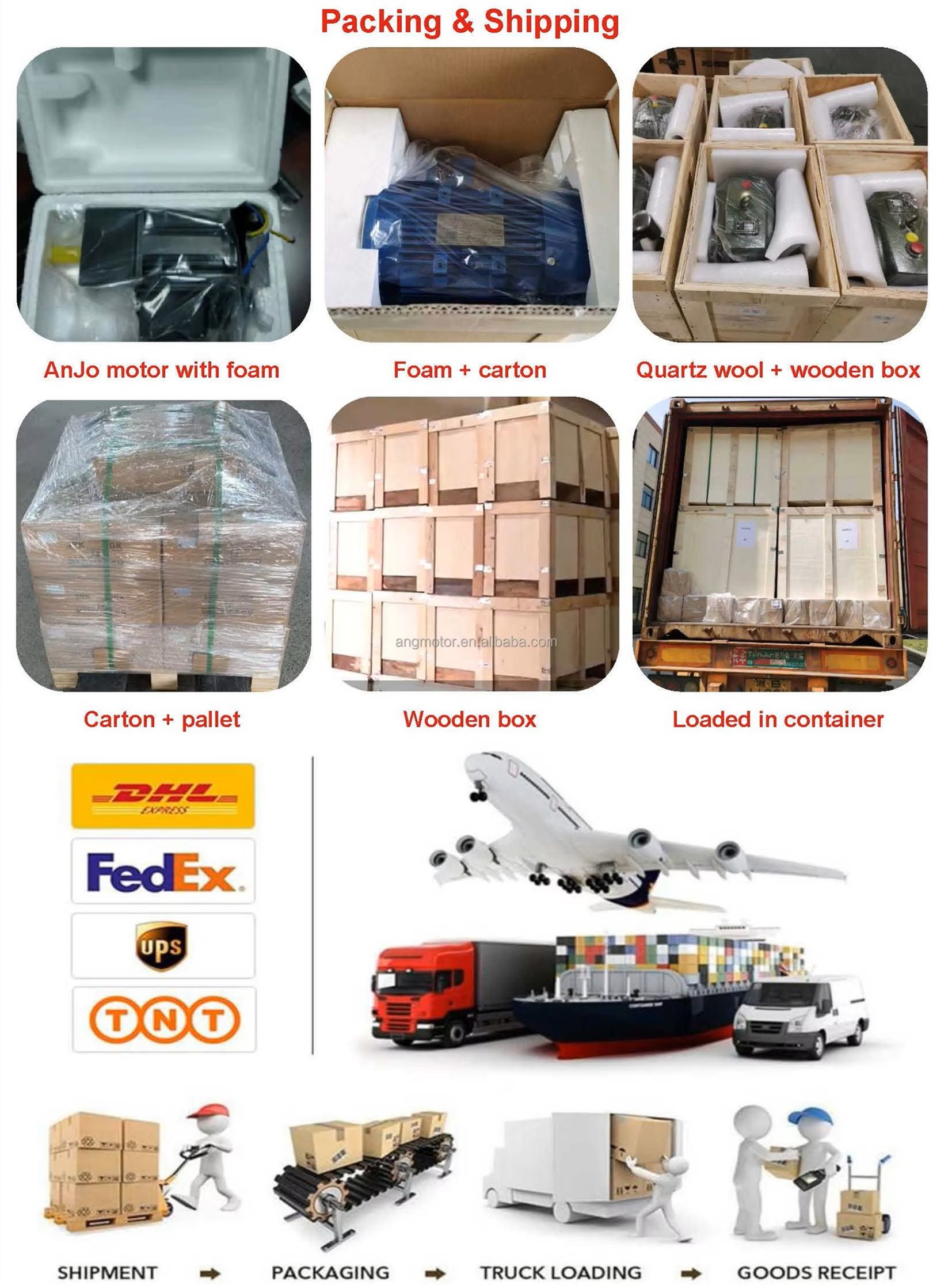
Company Profile


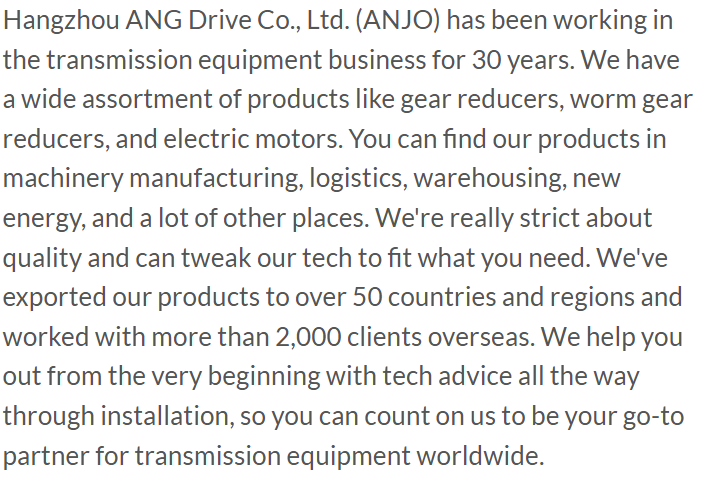


FAQ
Q1: What is the core difference between transmission roller chains and conveyor chains?
A1: Transmission chains are designed to transmit torque; they feature a compact structure and high strength, and typically do not include attachments. Conveyor chains, by contrast, are primarily used for transporting materials; they often incorporate K-type or A-type attachments and have a larger pitch. They are focused on load-bearing and traction, and are not suitable for high-speed power transmission.
Q2: Is the service life of a double-strand chain twice that of a single-strand chain?
A2: No. While a double-strand chain offers increased load-bearing capacity, factors such as the sprockets, coaxiality, and load distribution mean the actual capacity increase is typically around 1.7 to 1.8 times-not a simple doubling. Furthermore, it imposes stricter requirements on installation coaxiality.
Q3: Why does a chain elongate during operation? Can it be adjusted back to its original state?
A3: Elongation is primarily caused by wear between the pins and bushings-a form of irreversible metal loss. While a tensioner can provide temporary compensation, the chain must be replaced once the elongation exceeds the permissible limit; it should not remain in service for an extended period.
|
|
|
|
|
|
|
|
|
|
|
|
|
|
|
|
|
|
|
|
|
|
|
|



Hot Tags: transmission drive chain, China transmission drive chain manufacturers, suppliers, factory
Previous
2 Stage Planetary GearboxYou Might Also Like




Send Inquiry